




You step into the woods with a rumble in your belly and a grin on your face. You remember your first breath of pine air as you cracked open your protein trail pack. That bag holds fistfuls of flavor and energy that will fuel your trek. The idea of a steaming bowl of Salmon Chowder by camp coals makes your eyes light up. You recall the last time you dug your cast iron sear into the embers. You reflect on how that fire popped and hissed against the river stones. It feels like a promise of good times ahead and hearty eats. Your mind drifts to the sound of spoon scraping the edge of a warm bowl and how that taste settled in your bones after a long trek.
You remember the thrill when you first coaxed a spark from flint and steel. Tiny embers danced before the wind as you fed the flame with dry twigs and bark scraps. You reflect on the crackle and pop that soothed your mind after miles of rocky uphill. You recall tent stakes snapping in, cold dew settling on your hair just before dawn. That memory of stirring savory chunks of salmon into creamy broth warms you even now. Salmon Chowder feels like a triumph of simple wild cooking and good old camp vibes.
Now you stand at the edge of a rocky river bend ready to revive that spark. You recall the heat when you nestled your cast iron sear over glowing coals. That quick flash of orange cheeks on stone still makes you smile. You reflect on mixing heavy cream spice veg and flaky fish till it turned thick and rich. The swirl of steam stings your nose in a good way. That trailhead hunger spark lives again and you can almost taste it as you drop a log on the flame. Your palms feel warm to the touch and your guts feel ready to rumble in anticipation.
Fire build bushcraft science
You might think building a fire is simple but dang there is real science behind it. You need tinder small sticks kindling and larger logs. You recall gathering birch bark pine needles and dry grass from shaded spots so they didnt soak rain. You reflect on laying them in what bushcraft folks call a teepee or lean to. The shape lets air swirl under and feed that flame.
Once you get a spark from flint or match you gently blow at the base until little flames grow. You remember heart pounding as the first glow appears. Then you carefully add thicker sticks then full logs. You recall how the heat zone splits into coals and flames. Those coals are the key for your cast iron sear or simmer of Salmon Chowder. You reflect on how that steady bed of heat will help cook your meal just right down to the last drop.
Dont crowd that fire pit with wet wood or green branches. You will smother it quick. You remember patience from your last trip when you waited for mesh of hot embers before dropping the cast iron sear on top. Its part art part science that makes your wild cooking shine.
Pack list rundown six to eight items
You gear up your protein trail pack for Salmon Chowder by the river. You recall what tools and supplies will make the difference between bland and dang delicious. Here is your pack list rundown.
- Cast iron sear sturdy pan that holds heat and distributes it slow so your chowder wont scorch. You recall that black iron ring glowing on coals.
- Lightweight cookware lid to trap heat and simmer your chowder till it shimmers. You reflect on how that lid keeps cream hearty.
- Folding stove or grill grate slim packable grate fits over camp coals or small stove to give you stable cooking surface.
- Flint and steel for striking sparks even if your lighter gets soggy. You remember practicing your strike drill in wind.
- Wood collect bag canvas sack for hauling kindling split logs and charcoal ready for fire build bushcraft science.
- Long handle spoon wooden stirring tool for mixing chunks of salmon potato and milk so nothing sticks to the bottom.
- Seasoning kit compact container for salt pepper thyme and garlic powder so your chowder tastes wild and fresh.
- Water filter or purification tabs to make clean water for your broth and avoid that muddy taste. You reflect on last time you skipped this step and learned why it matters.
Keep this list handy so you wont forget a dang thing when that hunger hits by sunset on the trail.
Grill setup steps five
Step one Gather a stable base You look for flat river stones or big rocks around your campsite. You remember how a crooked setup can lead to tipping pots and hot spills. Arrange four stones in a square or U shape a couple inches apart to host your grill grate. You reflect on how those stones hold coals and pan steady for your cast iron sear.
Step two Bank your camp coals You scoop hot coals into the space between those stones. Spread them out in an even layer so heat reaches every part of your sear bottom. You recall feeding the fire slowly with small chunks until you had a bright bed of red embers. You reflect on how coals keep a more consistent temperature than dancing flames.
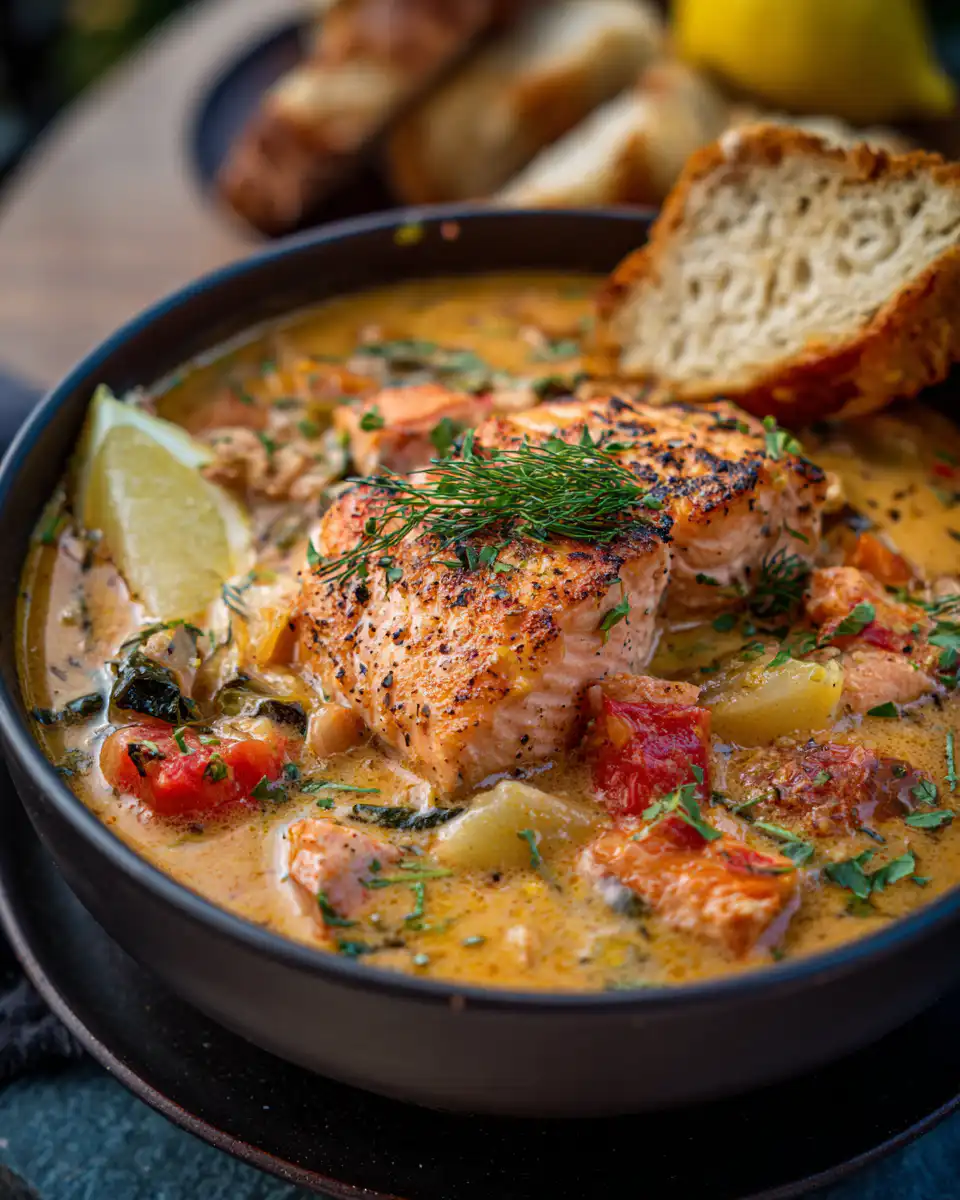
Step three Position the grill grate You carefully set your folding grate over the hot stones and coals. Make sure it sits level and wont wobble. You remember testing with a piece of bark first so you dont dump coals or food all over the ground. Once stable you feel that smooth metal ring up with residual heat and you know things are ready.
Step four Preheat your cast iron sear You drop the pan on the grate and let it heat up for several minutes. You reflect on hearing that satisfying hiss when you drop a few water droplets on the surface. That hiss means the sear is hungry for butter or oil and wont stick. You remember sliding your wooden spoon across the surface like a bug checking the heat.
Step five Start cooking Salmon Chowder You reduce the heat by gently brushing coals off one corner and move the pan into the lower temp zone. You toss in chopped onion potato and garlic to sweat in fat. You recall stirring slowly as you layer in liquid stock cream and salted flakes of wild salmon. You reflect on the aroma rising from your pot it feels like victory moment.
Sizzle echo scene
You hear that sizzle as the cast iron sear meets camp coals and the forest hush around you. That sound echoes off the water across the river and into the treetops. You recall the way heat rings through the pan and how the oils dance before your eyes. You reflect on the way it feels to stand in that moment right before ladling in your Salmon Chowder into a bowl.
The steam rises in lazy curls and leaves wet trails on your jacket. You smell smoky wood spice and fish mingling with cream. You catch a glimpse of sunlight shining through pines as if it approves your meal. You recall the trail miles and think about the protein trail pack that got you here. You reflect on that exact sizzle echo that means dinner is close.
Mid cook wood feed checkpoints
You halfway through cooking when you notice the heat shift under your pan. You recall that flame can choke your Salmon Chowder if you ignore it. You pause to check on those glowing embers. You reflect on how adding a few coals or pulling some away can tame or boost the heat. You feel for steady steam rather than wild flare ups keeping your soup from scorching.
You feed your wood smartly by tossing one piece at a time to the back of the coals not right under the pan. You remember last trip when you dumped a big log too quick and it flamethrowered your broth. You reflect on having patience and keeping the center zone hotter than the edges so potatoes cook through and salmon stays tender not rubbery.
You test your chowder by dipping a spoon low into the stew then blowing on that drop to cool. You recall tasting thick savory broth and chunks of fish that melt in your mouth. You reflect and decide if it needs more seasoning or cream. You top off your wood if smoke dies down or pull back if it feels like it could burn your spoon handle.
Camp plate ideas
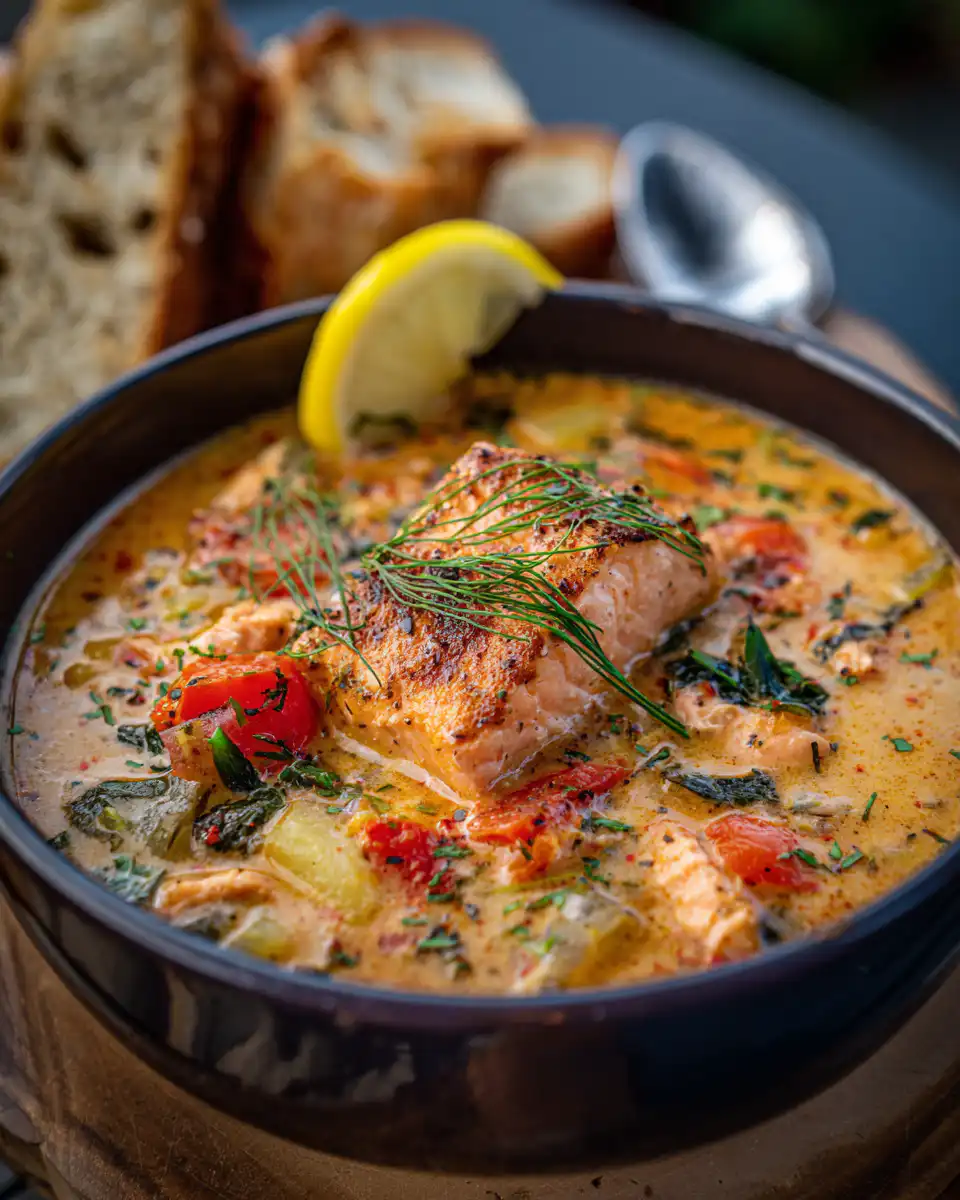
You pour your Salmon Chowder into a wide shallow bowl so it cools fast and looks dang good. You pair it with thick slices of toasted camp bread rubbed with garlic or slathered with herb butter. You remember how crunchy bread sops up every drop of brothy goodness. You reflect on that chewy crust lining your fingers after the last crumb is gone.
Another idea is to serve chowder in hollowed out mini pumpkins or gourd shells. You recall carving jack o lantern shapes at home before packing the shells in your protein trail pack. You reflect on using that as edible dishes charging smiles around your camp crew. The warm squash flavor adds another layer to your hearty fish and cream stew.
You can also ladle chowder over cooked rice or quinoa in a metal plate for extra belly fill. You remember whipping out those grains from a lightweight bag you pre cooked. You reflect on how that extra starch bulked you up for the last mile back to your car. You finish with fresh parsley or scallion for green pop.
Leftover trail snack guide
You always want a little extra Salmon Chowder for next day protein trail pack snack. You spoon some into a jar and tuck it between your gear to keep it cold at first light. You remember how dang good it tastes when you reheat it quick on a stove break. You reflect on crunchy crackers you carry to dunk just like before.
If you dont have fridge feel free to turn leftover chowder into savory dip. You pour it in a small resealable bag and press flat. You remember smashing the bag so spices and fish get coated on every chip you carry. You reflect on how that twist became the best part of your snack break when the sun rose hotter.
Another trick is to freeze chowder in an ice block form and use it as cooler for your other food. By afternoon it thaws into soup that you can slurp with a spork. You recall the look on your partner face when they saw that chill block melt into creamy broth. You reflect on the handy hack that saved you from hungry headspace.
Final campfire chat plus FAQs
You kick back on a log as the embers glow soft orange and you feel that full warmth inside. You recall the day from trailhead hunger spark to final bowl of Salmon Chowder and how every moment taught you a new tip. You reflect on the bushcraft science fire build method and the way coals cooked your stew just right. You smile at the echo of that sizzle scene and how you fed wood like a pro.
Now you wrap up camp and stash your gear recalling the list rundown list items that never let you down. You reflect on plate ideas and leftover snack hacks that make your journey feel complete. You feel that connection between you and the wild every time you hear crackle or see a rising steam tendril.
How long can I store leftover Salmon Chowder in my pack
You can store it a day in a sealed jar in a cooler section of your pack. Make sure it stays below safe temps. If it smells off toss it.
Can I swap fish for another protein
You sure can. You can use diced chicken sausage or white fish fillet or even beans for a vegetarian twist. It changes the taste but still keeps creamy texture.
What wood works best for steady camp coals
Hardwoods like oak hickory or maple burn slow and hot. You recall pine sparks too much and chestnut can pop. Pick seasoned logs for long lasting coals.
How do I avoid lumps in my chowder
For smooth chowder whisk flour into cold liquid first then add to hot pot. You reflect on last trip where you dumped flour into boiling broth and had to strain lumps.
What spice blends add more kick to chowder
You can add chili flakes cayenne or smoked paprika for a bit of heat. You recall a dash of dill seeds gives bright aroma. Feel free to mix and match spices.
You head home with that glowing ember feeling longing already for your next Salmon Chowder adventure around glowing coals under star skies.
Salmon Chowder
Equipment
- 1 Large pot
- 1 Cutting board
- 1 Ladle
- 1 Stirring spoon
- 1 Measuring cups and spoons
Ingredients
- 1 tablespoon olive oil
- 1 medium onion, diced
- 2 cloves garlic, minced
- 2 medium potatoes, peeled and diced
- 3 cups vegetable or chicken broth
- 1 cup corn kernels fresh or frozen
- 1 cup heavy cream
- 1 pound fresh salmon fillet, skinless and cubed
- 1 teaspoon dried thyme
- to taste salt
- to taste pepper
- optional fresh parsley for garnish
Instructions
- Heat the olive oil in a large pot over medium heat. Add the diced onion and sauté until translucent, about 5 minutes.
- Add the minced garlic and cook for another minute until fragrant.
- Stir in the diced potatoes and pour in the broth. Bring to a boil, then reduce the heat and let it simmer for about 15 minutes, or until the potatoes are tender.
- Add the corn, cream, and cubed salmon to the pot. Stir gently and simmer for an additional 10 minutes, or until the salmon is cooked through and flakes easily.
- Season with dried thyme, salt, and pepper to taste. Remove from heat.
- Serve hot, garnished with fresh parsley if desired.