

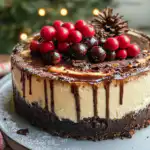



Steam curls up from the valve and your stomach starts talking back. That warm, cozy feeling creeps in as you get ready to make this German Speculoos Cheesecake. You spot that familiar sealing ring on your pressure cooker and feel a buzz of excitement. It’s the kind of recipe that sticks with you when you smell those spices.
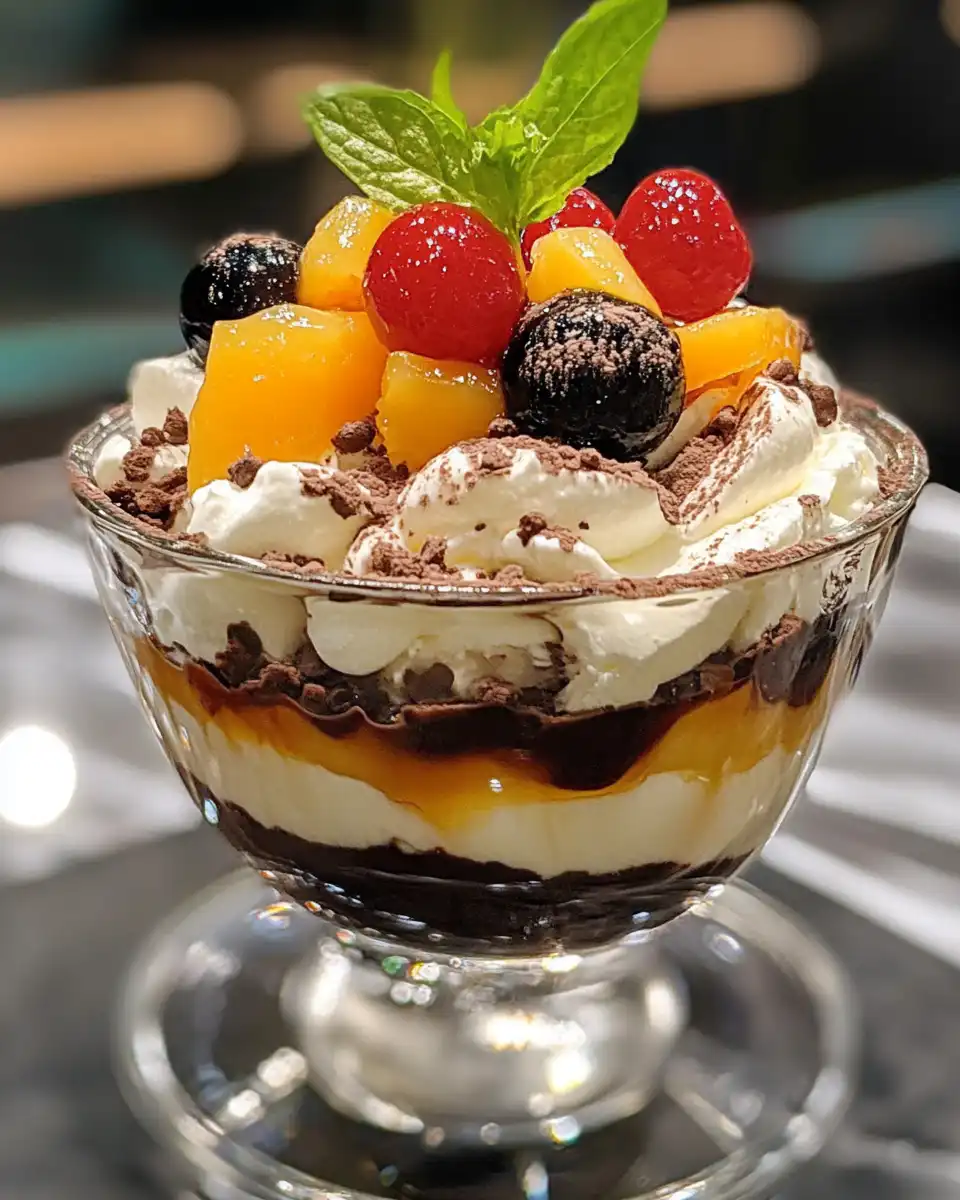
The sweet aroma of cinnamon, cloves, and cardamom fills your kitchen. The dough for the crust feels buttery in your hands while you mix the quark cheesecake filling. There’s this tender pull you get when you press the dough into the pan and start layering flavors.
You catch the valve hiss as the pressure cooker does its thing. No more worrying ’bout uneven baking or a crust that turns too dry. It’s all sealed up, cozy and snug inside, cooking slow and steady. You just wait for that quick release moment and that cheesecake is ready for its close-up.
The Real Reasons You Will Love This Method
- It locks in moisture so your cheesecake stays creamy and not dry.
- You get a perfectly tender crust that’s got a little crunch but still melts in your mouth.
- The spices in the crust really bloom ’cause of the pressure cooking heat.
- Less time babysitting the oven means you’ve got more hands free for other stuff.
- The quick release helps you stop cooking exactly when it’s done without overbaking.
- The sealed environment keeps all those yummy cheesecake flavors right where they belong.
- It’s kinda foolproof which makes it great if you’re still getting used to cheesecakes or pressure cooking.
The Complete Shopping Rundown
First thing first you gonna need 500 grams of all-purpose flour for the crust, that’s where the base starts. Then round up 250 grams of brown sugar that'll give your crust that warm, molasses kinda sweetness that calls for a second slice.
Don't forget 250 grams of butter, the key to that tender, flaky crust you can't resist. You also need half a teaspoon salt, 2 eggs, one teaspoon ground cloves, one tablespoon ground cinnamon, half teaspoon ground cardamom, and half teaspoon baking powder. Y’all these spices are what make this cheesecake special, really.
For the filling, grab 240 grams of butter and 250 grams of sugar for creamy sweetness, plus a quarter teaspoon salt. You gotta have 2 teaspoons of pure vanilla extract to lift the whole flavor. Biggest star here is 840 grams of quark - it's that creamy tang you want in your cheesecake. Then 6 eggs and to help it set right you need 40 grams of cornstarch plus 40 grams flour.
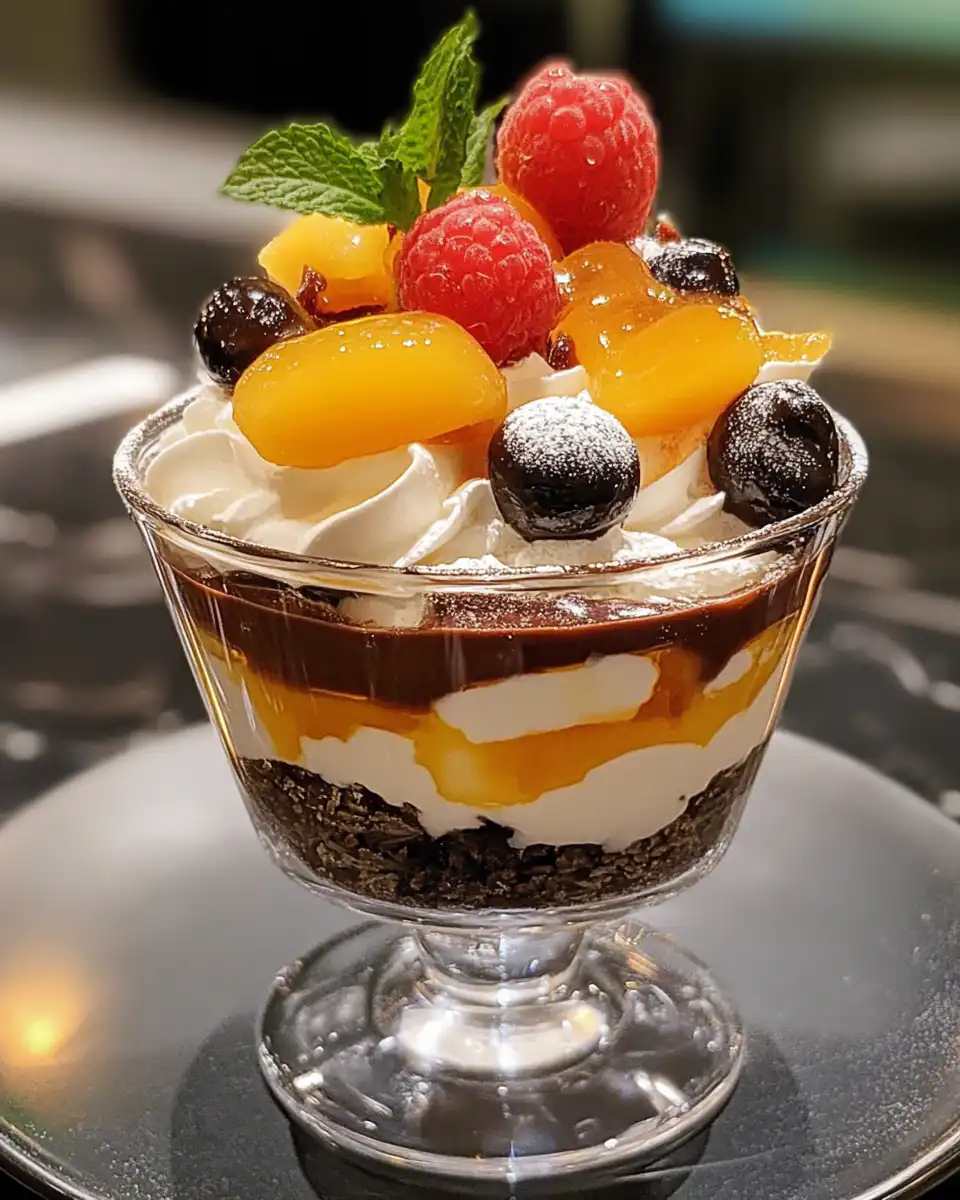
Walking Through Every Single Move
Step one you wanna prepare your springform pan. Grease it up good and line the bottom with parchment paper so nothing sticks to your hard work.
Next mix 500 grams flour, 250 grams brown sugar, 250 grams butter, half teaspoon salt, 2 eggs, cloves, cinnamon, cardamom, and baking powder in a bowl. You press that dough into the pan, two-thirds goes to the crust bottom and sides nice and even.
Step three you whip 240 grams butter until creamy for the filling. Then add sugar, salt, vanilla, quark, eggs, cornstarch, and flour. You mix everything together until it's smooth and glossy.
Pour that filling right into your crust pan, smooth it out. Then crumble the leftover dough on top or get fancy with a lattice if you feel like it.
Now for your pressure cooker part, seal the pan with foil so water don’t sneak in. Pour one cup water into the cooker, put a trivet inside, and set your cheesecake pan on it.
Lock the lid, set to sealing, pressure cook for about 40 minutes. When it’s done, do a slow release so it cools down gently. That’s important for keeping texture right.
Last step is cooling. Let it rest completely in the pan on the counter then pop it in the fridge for at least 2 hours or overnight to get that firm, creamy bite you’re craving.
Valve Hacks You Need to Know
- If you’re in a rush use a quick release but only after at least 30 minutes cooking so the cheesecake sets enough to not collapse.
- Got a noisy valve hiss? Place a kitchen towel lightly over it to soften the sound, saves your nerves.
- Keep an eye on the sealing ring condition– a cracked or dry one messes with pressure and can dry out the cheesecake.
- Use a jar of water or silicone ball to hold your cheesecake pan steady on the trivet if it wobbles around in the pressure cooker.
- After slow release, open the lid carefully and tilt it away from you so the steam don’t zap ya.
That First Bite Moment
When you cut your first slice you notice the crust crackling just a little under your fork’s tender pull. The layers of cinnamon and cloves in the crust hit you first, warm and inviting.
Then the creamy filling melts on your tongue like a cloud, with little hints of cardamom and vanilla drifting comfortable and subtle. It’s smooth, not too sweet, and full of that classic German cheesecake tang from the quark.
You feel like you’re sitting in a cozy little café in a wintertime market, the smells wrapping around you. It’s the kinda dessert that makes you wanna close your eyes and savor every bite with a good cup of tea or coffee.
Making It Last All Week Long
To keep your cheesecake fresh, the easiest way is to wrap it tightly with plastic wrap or store it in an airtight container in your fridge. This keeps all that moisture locked in.
If you want to enjoy it longer, you can freeze slices individually. Wrap each slice in foil and pop them in a freezer bag. When you’re ready, thaw overnight in the fridge.
Another option is to store the whole cheesecake in the fridge, covered, and slice as needed. This way the crust stays crisp and the filling stays creamy even after a couple days.
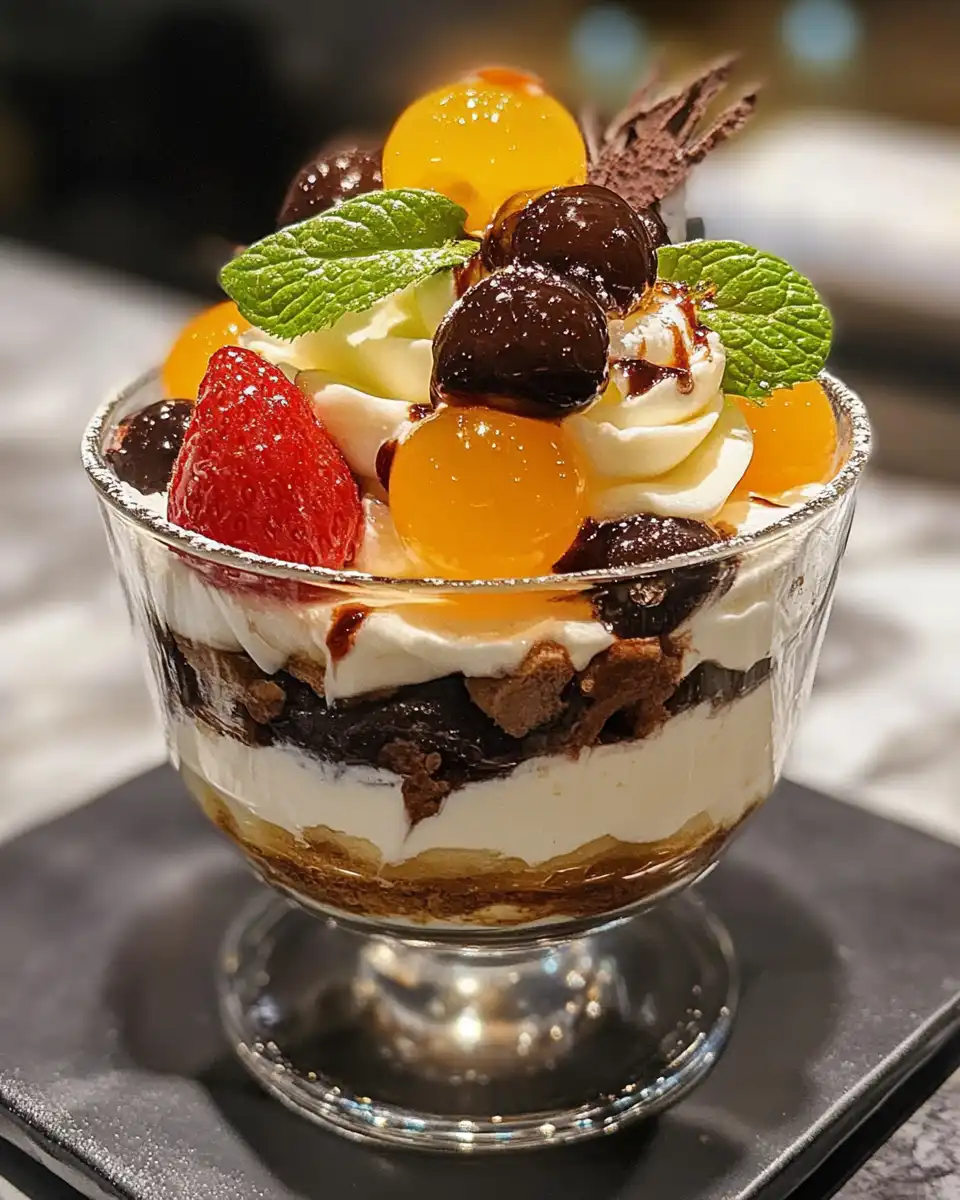
Your Most Asked Questions Answered
- Can I use cream cheese instead of quark? You can, but it changes the texture and flavor a bit. Quark gives a lighter, tangier finish that’s real authentic for this style.
- How do I know when the cheesecake is done? The center should be just set and not jiggle too much. The edges might be a little golden, too.
- Do I need that slow release step? Yes! Slow release helps the cheesecake cool down gentle so it don’t crack or dry out.
- What if my crust comes out soggy? Make sure you press the dough firm and bake long enough. Also sealing the pan and using trivet keeps it from getting wet in the cooker.
- Can I make this in a regular oven? Heck yeah! Just bake at 350 degrees Fahrenheit for 50 to 60 minutes but watch for doneness.
- Will the spices be too strong for kids? The spices are warm and gentle. If your kids are super sensitive, reduce the cloves a little but they usually love it.
Looking for more tasty cheesecake and dessert recipes? Check out our Easy Cannoli Cheesecake Bars and Cinnamon Apple Fritters You've Got to Attempt for other delightful treats made with a pressure cooker.
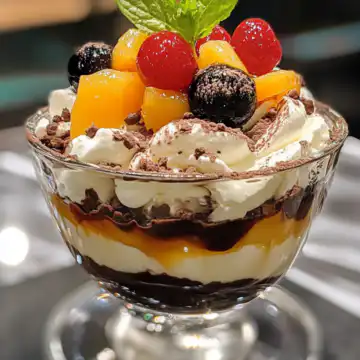
German Speculoos Cheesecake (Spekulatius Käsekuchen) in Your Pressure Cooker
Equipment
- 1 Mixing bowl
- 1 Springform pan
- 1 Pressure cooker
- 1 Trivet
Ingredients
Speculoos Crust
- 500 g all-purpose flour
- 250 g brown sugar
- 250 g butter
- 0.5 teaspoon salt
- 2 eggs
- 1 teaspoon ground cloves
- 1 tablespoon ground cinnamon
- 0.5 teaspoon ground cardamom
- 0.5 teaspoon baking powder
Cheesecake Filling
- 240 g butter
- 250 g sugar
- 0.25 teaspoon salt
- 2 teaspoons pure vanilla extract
- 840 g quark
- 6 eggs
- 40 g cornstarch
- 40 g all-purpose flour
Instructions
Instructions
- Prepare the springform pan by greasing and lining the bottom with parchment paper.
- Mix flour, brown sugar, butter, salt, eggs, ground cloves, cinnamon, cardamom, and baking powder in a bowl to form dough.
- Press two-thirds of the dough into the bottom and sides of the pan evenly.
- Whip butter until creamy. Add sugar, salt, vanilla, quark, eggs, cornstarch, and flour to make the filling.
- Pour filling into crust pan and smooth the top. Crumble or lattice the remaining dough on top.
- Wrap the pan with foil. Place 1 cup water into pressure cooker, insert trivet, then place pan on trivet.
- Lock the lid, set to sealing, and pressure cook for 40 minutes. Let it slow release naturally.
- Let cool completely on counter, then refrigerate for at least 2 hours or overnight before serving.