








The pressure builds and you start counting down minutes until you eat. You can almost smell the vegan gyoza getting that little crisp on the outside while the broth is doing its thing inside the pot. Your stomach kinda rumbles and you try not to drool all over the counter.
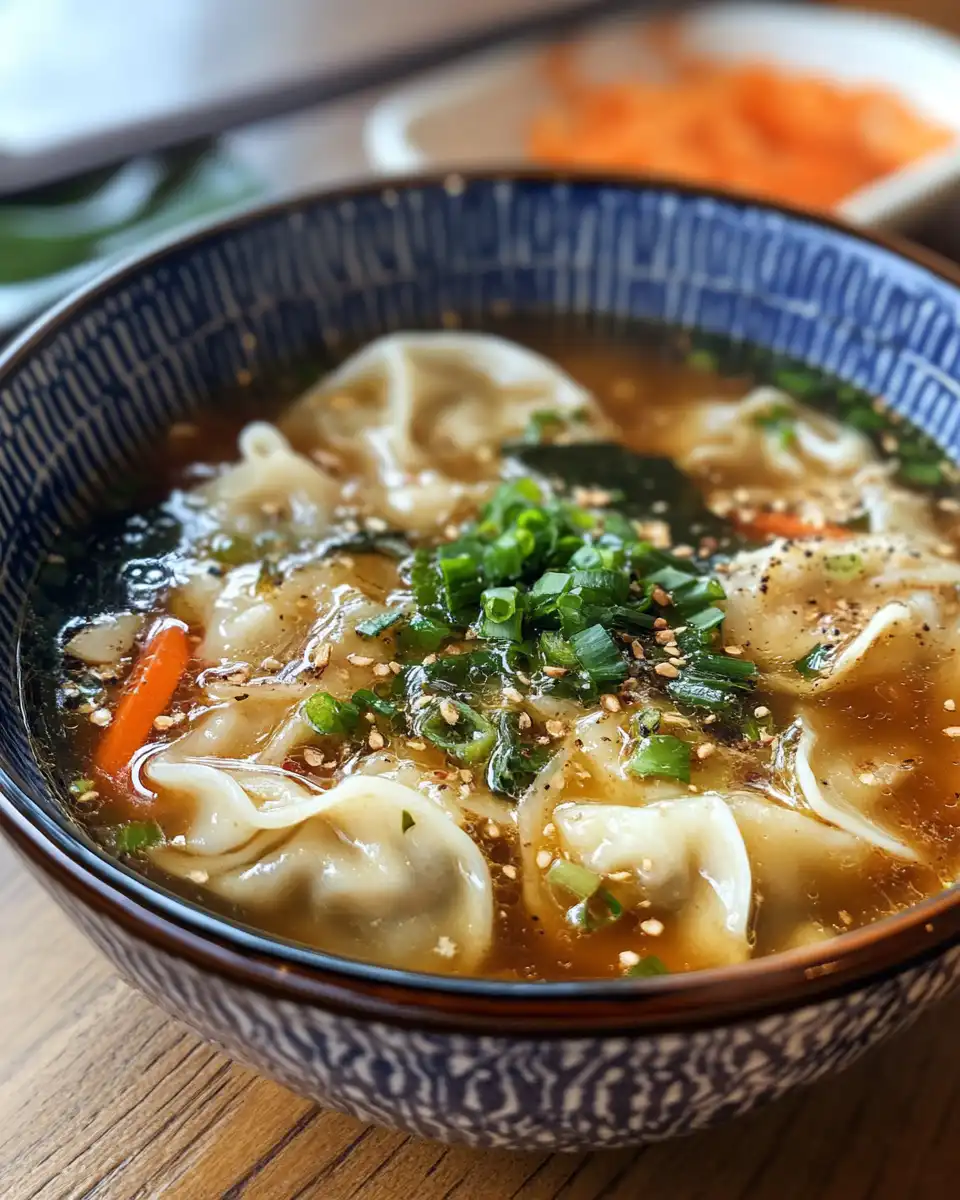
As the steam cues start to rise from the lid, you peep inside just to see the veggies softening up and mushrooms soaking up all that broth depth you worked so hard to get. You notice the bok choy leaves turning that perfect bright green, and you're pretty sure this is gonna be a soup you'll wanna make again and again.
The sealing ring on your pressure cooker is holding tight, and you feel that little pressure hum telling you it's time to switch to slow release soon. Counting down the minutes becomes your new pastime, knowing soon you'll be ladling this hearty, comforting gyoza soup right into your bowl.
Why This Recipe Works Every Single Time
- The frozen vegan gyoza browns first to get texture before steaming soft.
- Steaming the gyoza ensures they stay tender inside with a little chew.
- Using a slow release lets flavors bloom and veggies stay bright.
- Cashew butter adds creamy richness while keeping the soup vegan.
- Quick stir-in of noodles keeps them fresh and not mushy.
- Chili crisp adds just the right kick without overpowering flavors.
Everything You Need Lined Up
- 1 tablespoon neutral oil for browning without weird flavors.
- 10 vegan gyoza, frozen works fine for this quicker cooking.
- 2 tablespoons water for steaming those gyoza soft and dreamy.
- 2 baby bok choy, halved, or 1 big one cut into quarters.
- 6 cremini mushrooms, cleaned and sliced for that umami punch.
- 2 ¾ cup (650 ml) vegetable stock, the base for your broth depth.
- 2 (7 oz / 200 gram) packages fresh udon noodles to slurp right up.
- 3 tablespoons cashew butter or tahini for creamy vegan bliss.
- 2 tablespoons soy sauce to add salty umami layers.
- 2 teaspoons rice vinegar or white wine vinegar, for a gentle tang.
- ¼ teaspoon sesame oil, small but mighty flavor boost.
- 1 - 2 tablespoons chili crisp, adjusting your heat level at serving.
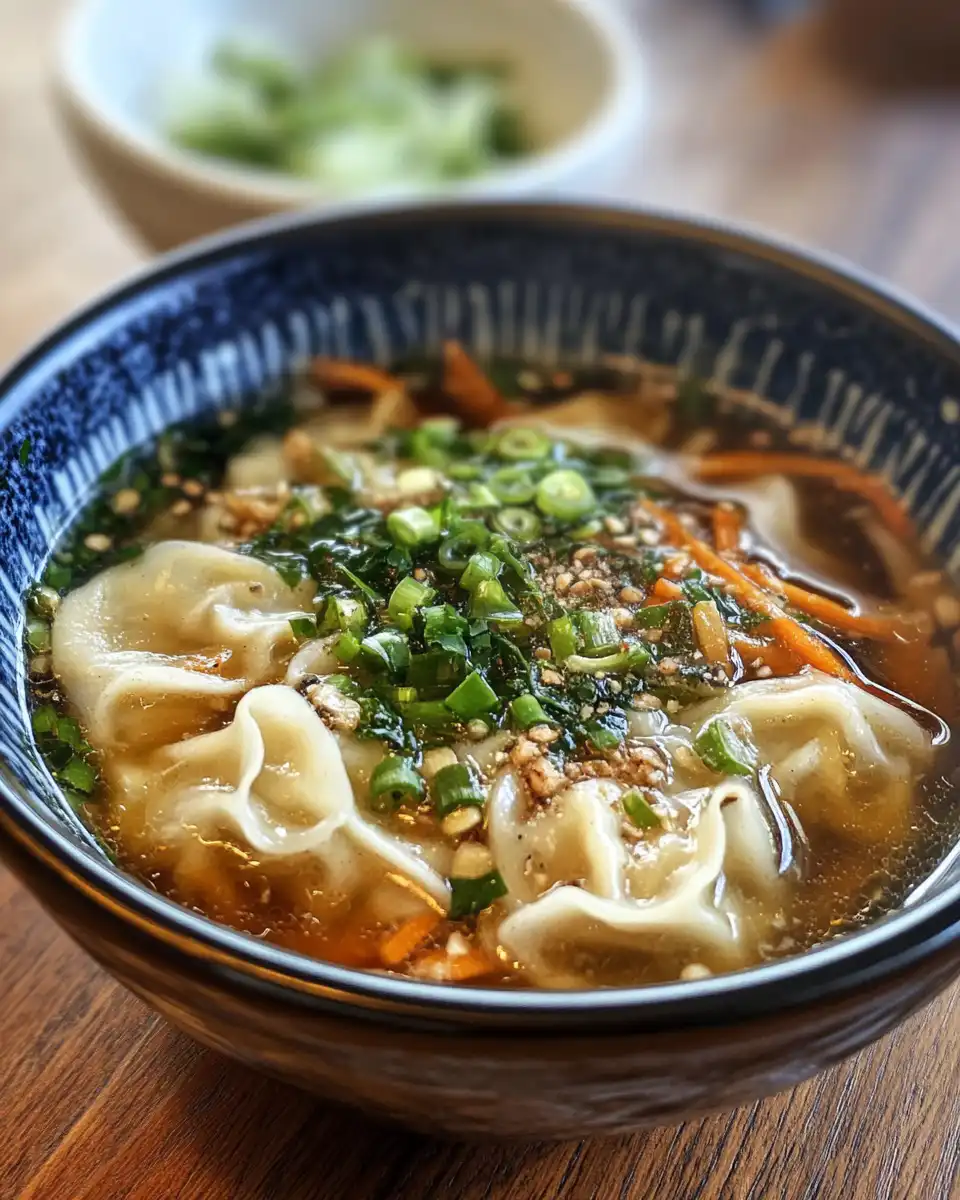
Gather all these before you start because this recipe moves fast once that heat's up. Trust me, you don’t wanna be scrambling around looking for stuff midway. Plus, chopping the bok choy and cleaning those mushrooms is kinda meditative and gets your mojo in the kitchen.
The Full Pressure Cooker Journey
Start by heating your neutral oil over medium heat in your big pressure cooker pot. Throw in those frozen vegan gyoza and let ’em brown for 2 to 3 minutes. You'll see them getting that golden tinge and you sense the flavor building already.
Now add 2 tablespoons water and slap a lid on. Steam for another 2 to 3 minutes so the gyoza soften up just right. When done, carefully remove and set aside because we’ll warm them again later.
Same pot, add bok choy and mushrooms. Sauté for 3 to 4 minutes until veggies get a little tender and your kitchen smells kinda wild good. This starts building the broth's depth before pressure comes in.
Pour in your vegetable stock and bring that pot to a gentle simmer. Let those veggies soak and flavor up for 5 to 7 minutes, stirring now and then so nothing sticks. You're gonna love how the broth thickens just right.
While that's going, whisk together your cashew butter or tahini, soy sauce, and vinegar in a little bowl. Make sure it’s smooth ’cause this sauce gonna swirl flavors deep into the broth.
Pour that creamy mixture into the pot and let it simmer for 2 to 3 more minutes. The broth picks up richness and you might just sneak a spoon here (I won’t judge!).
Now toss in fresh udon noodles. Cook those according to your package directions, usually 3 to 4 minutes. When noodles are nearly done, return your gyoza to warm through about 1 to 2 minutes. Hot damn, that’s it!
Easy Tweaks That Make Life Simple
- Shortcut for broth you can swap veg stock for miso broth to boost umami without extra steps.
- Frozen to fresh if you got fresh gyoza, just brown briefly and skip steaming water step.
- No fresh noodles dry ramen or soba works too, but toss ’em in at the end and watch closely so they don’t overcook.
These tweaks won't mess up the vibe but might save you a few minutes or hassle. Sometimes you just gotta roll with what’s in your fridge, and this recipe adapts real good.
When You Finally Get to Eat
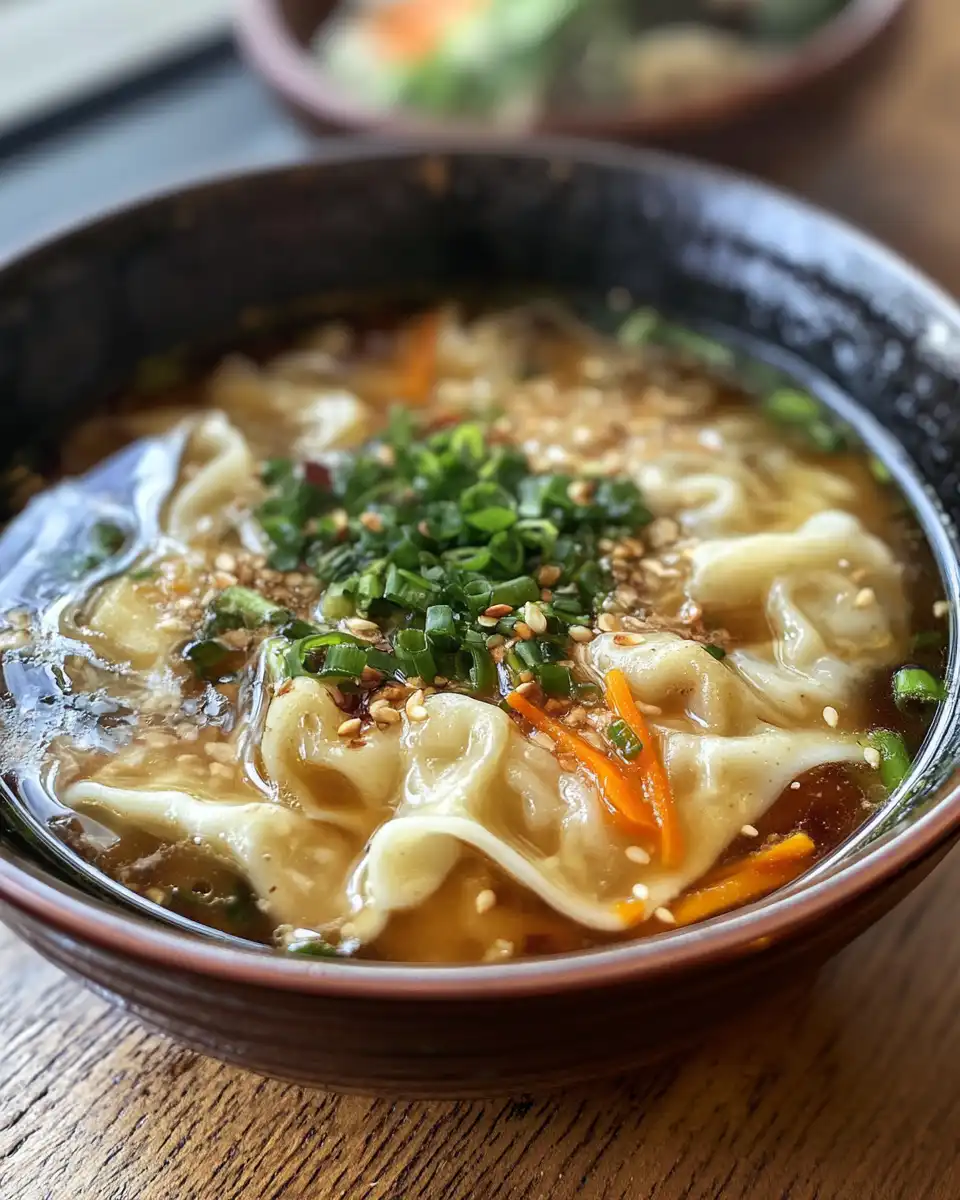
You scoop up that bowl and immediately notice the steam carrying a little spicy tang with a nutty warmth. The broth is silky with a full body that wraps you up like a cozy blanket after a long day.
The gyoza float perfectly like little pillows in the bowl, their outsides soft and insides tender yet flavorful. Bok choy bits add crunch alongside the mushrooms that soak up all that liquid goodness.
The udon noodles slurp up easily and add a fun chewy texture you didn't even realize you missed in other soups. Every bite got this perfect balance of rich, sharp, and spicy that kinda wakes you up good.
You notice the chili crisp adds that slight crisp heat on top without stealing the show. It’s like the perfect little dance on your tongue making you wanna dive back in for more.
Keeping Leftovers Fresh and Ready
- Refrigerate your leftovers in an airtight container for up to 3 days. The noodles soak up broth a bit overnight so you might wanna add a splash of veggie stock when reheating.
- Freeze in portions but leave out noodles if you can. Freeze soup base and gyoza separately for best texture when thawed later.
- Reheat gently on stove with low heat and a little extra broth or water so nothing dries out. Avoid microwave if you want the most even warmth and flavor.
Your Most Asked Questions Answered
- Can I use chicken or pork gyoza instead?
You sure can but cooking times might shift if they’re fresh or frozen. Make sure to brown and steam like the recipe says for best results. - What if I don’t have fresh udon noodles?
Dry ramen or soba noodles work fine too. Just add them in later because they cook fast and can go mushy if left too long in broth. - How spicy is this soup?
Chili crisp controls heat. Start with 1 tablespoon and add more if you like it fiery. It’s customizable to your taste buds. - Can I make this soup without a pressure cooker?
You can but the timing and broth depth might change. Just use a regular pot, follow the same steps, and simmer longer for deeper flavor. - Why do I add the cashew butter mixture?
It adds creamy richness without dairy and gives that broth a thick, silky texture. - What’s slow release and quick release?
Slow release means letting pressure drop naturally which keeps veggies vibrant. Quick release means opening valve to let steam out fast when you gotta get to eating quicker.
For more delicious recipes and handy pressure cooking tips, check out our Pressure Cooker Cannoli Cheesecake Bars Recipe, Thai Sweet Chili Chicken, and Cinnamon Apple Fritters You've Got to Attempt for great meal ideas to enjoy alongside.
Gyoza Soup Pressure Cooker Recipe
Equipment
- 1 Pressure cooker
Ingredients
Main ingredients
- 1 tablespoon neutral oil for browning
- 10 vegan gyoza frozen
- 2 tablespoons water for steaming gyoza
- 2 baby bok choy halved, or 1 large sliced into quarters
- 6 cremini mushrooms cleaned and sliced
- 2 ¾ cups vegetable stock
- 2 packages (200g) fresh udon noodles
- 3 tablespoons cashew butter or tahini
- 2 tablespoons soy sauce
- 2 teaspoons rice vinegar or white wine vinegar
- ¼ teaspoon sesame oil
- 1 - 2 tablespoons chili crisp to taste
Instructions
Instructions
- Heat oil in the pressure cooker over medium heat. Add frozen vegan gyoza and brown for 2-3 minutes.
- Add water and cover to steam for another 2-3 minutes. Remove gyoza and set aside.
- To same pot, add bok choy and mushrooms. Sauté for 3-4 minutes.
- Pour in vegetable stock and bring to simmer. Cook veggies for 5-7 minutes.
- In small bowl, whisk cashew butter or tahini with soy sauce and vinegar until smooth.
- Pour mixture into pot and let broth simmer 2-3 minutes more.
- Add fresh udon noodles and cook per package, about 3-4 minutes.
- Return gyoza to pot to warm through, about 1-2 minutes.
- Ladle soup into bowls and top with chili crisp before serving.