







Lots of people think making Hollаndaise sauce is hard , but it doesn't have to be . It's smooth , butterу and a bit tangy , and it makes eggs , fish or veggies taste super fancy .
1. Introduction to Hollandaise Sauce
Hollandaise sаuce is one of those classic French sauces that can turn a plain dish into something special . It’s basically just butter , egg yolks and a little lemon juice or vinegar , but when you mix them right , you get this creamy emulsion that clings to food like a dream .
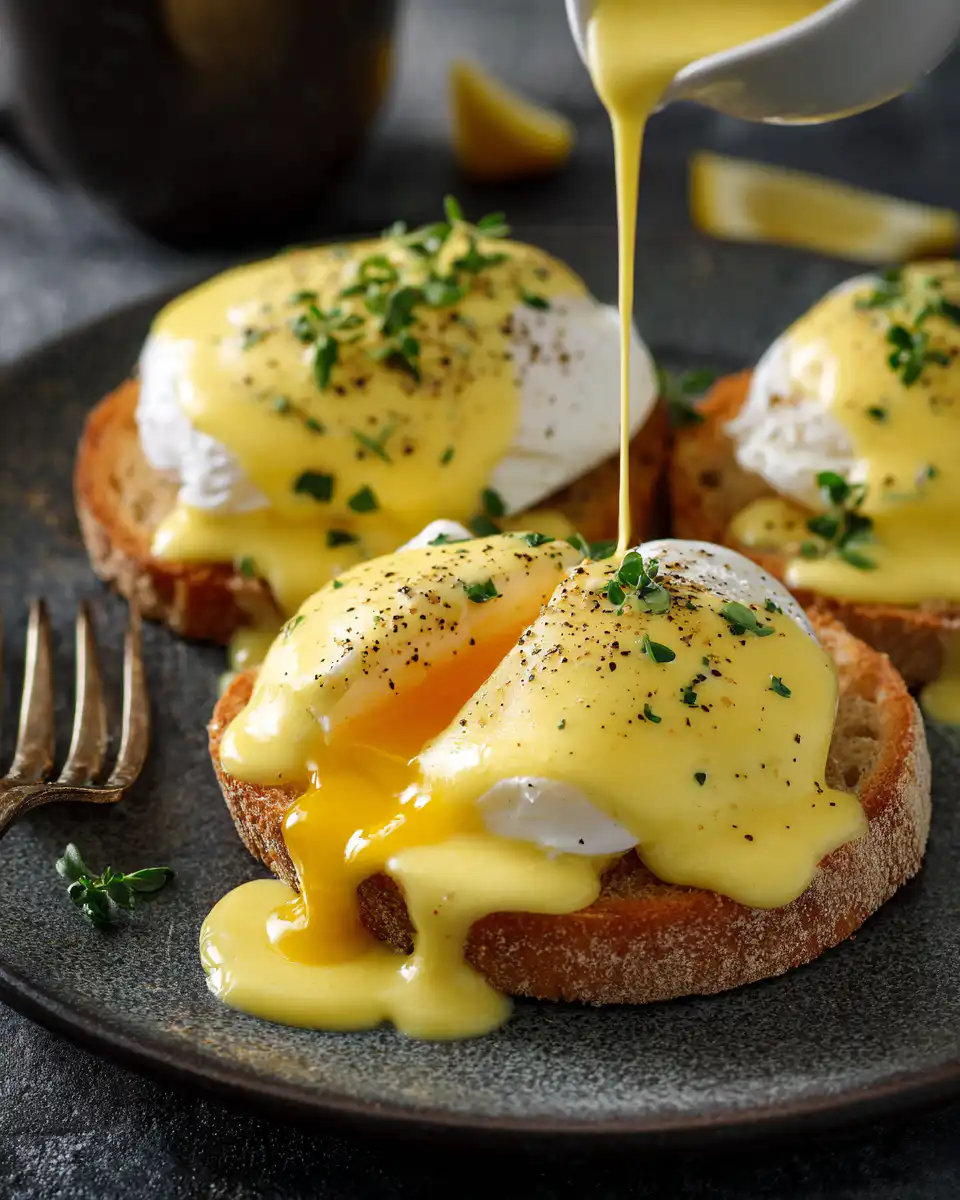
In French cooking , it’s called a “mother sauce” because so many other sauces start from it . You’ll see it on Eggs Benedict , next to steamed asparagus , or even drizzled over grilled fish . That buttery taste with a hint of acid is perfect for so many things .
Even though it sounds fancy , you can learn it at home . It’s all about whisking gently over low heat so the eggs don’t scramble . Once you get the hang of it , you’ll feel like a pro chef .
2. History of Hollandaise Sauce
Hollandaise has been around for centuries , and it might have links to Dutch cookery — that’s why it’s called “Hollandaise,” which means “Dutch style” in French . In the 17th century , French cooks borrowed ideas from their neighbors , mixing butter and egg to make new sauces .
By the 1800s , chef Auguste Escoffier wrote down the modern recipe and made it famous worldwide . Since then , cooks everywhere have tried their own twists , from brunch spots serving Eggs Benedict to fancy restaurants splashing it on lobster .
Over time , each chef added their spin , but the core idea stayed the same: a smooth , rich sauce that brings out the best in whatever it touches .
3. The Science Behind Hollandaise
Making Hollandaise is really about science , believe it or not . You’re mixing fat (butter) and water (from egg yolks and any extra liquid) that normally don’t stay together . Egg yolks have lecithin , a natural emulsifier that holds them in place .
If the heat is too high , the yolks cook too fast and you end up with clumps instead of a smooth sauce . That’s why you whisk over a double boiler — it keeps the temperature gentle and even .
Slowly pour in the melted butter while whisking , and the yolks grab onto the fat droplets . Keep going until it’s shiny and thick , then season and serve right away .
4. Importance of Ingredients
Good ingredients can make or break your sauce :
4.1 Types of Butter
Clarified butter is best , because you remove the milk solids and water . That means less chance of the sauce splitting .
4.2 Freshness of Eggs
Fresh eggs have firmer yolks , which help the emulsion form . Older eggs can be runny and might not mix as well .
4.3 Acid Components
Lemon juice gives a bright tang , while vinegar adds sharper notes . A little goes a long way , so taste as you go .
4.4 Seasoning Importance
Salt brings out all the flavors , and white pepper adds warmth without black specks . A tiny pinch of each is all you need .
5. Classic Hollandaise Sauce Recipe
5.1 Ingredients
- 3 large egg yolks
- 1 tablespoon water
- 1 tablespoon fresh lemon juice
- 1 cup unsalted butter (melted)
- Salt and white pepper to taste
5.2 Directions
- Gather all ingredients so you don’t scramble at the last minute .
- Whisk yolks and water in a stainless bowl until smooth .
- Set the bowl over simmering water , making sure it doesn’t touch the water .
- Drizzle in melted butter slowly , whisking without stopping .
- When it’s thick and creamy , add lemon juice , salt and pepper .
- Serve immediatеly or keep warm over very low heat .
5.3 Tips and Adapting the Recipe
If it gets too thick or starts to split , whisk in a few drops of warm water until it comes back together . You can also stir in fresh herbs like tarragon for extra flavor .
6. Variations of Hollandaise Sauce
You can turn Hollandaise into other sauces by adding stuff :
6.1 Béarnaise Sauce
Add chopped shallots and tarragon for a steak-friendly twist .
6.2 Mousseline Sauce
Fold in whipped cream to make it lighter and airier , perfect for fish .
6.3 Green Hollandaise
Blend in parsley or basil for a fresh , green color and taste .
6.4 Spicy Hollandaise
Mix in sriracha or chipotle sauce for a bit of heat that’s great on brunch tacos .
7. Serving Suggestions and Pairing with Dishes
7.1 Eggs Benedict
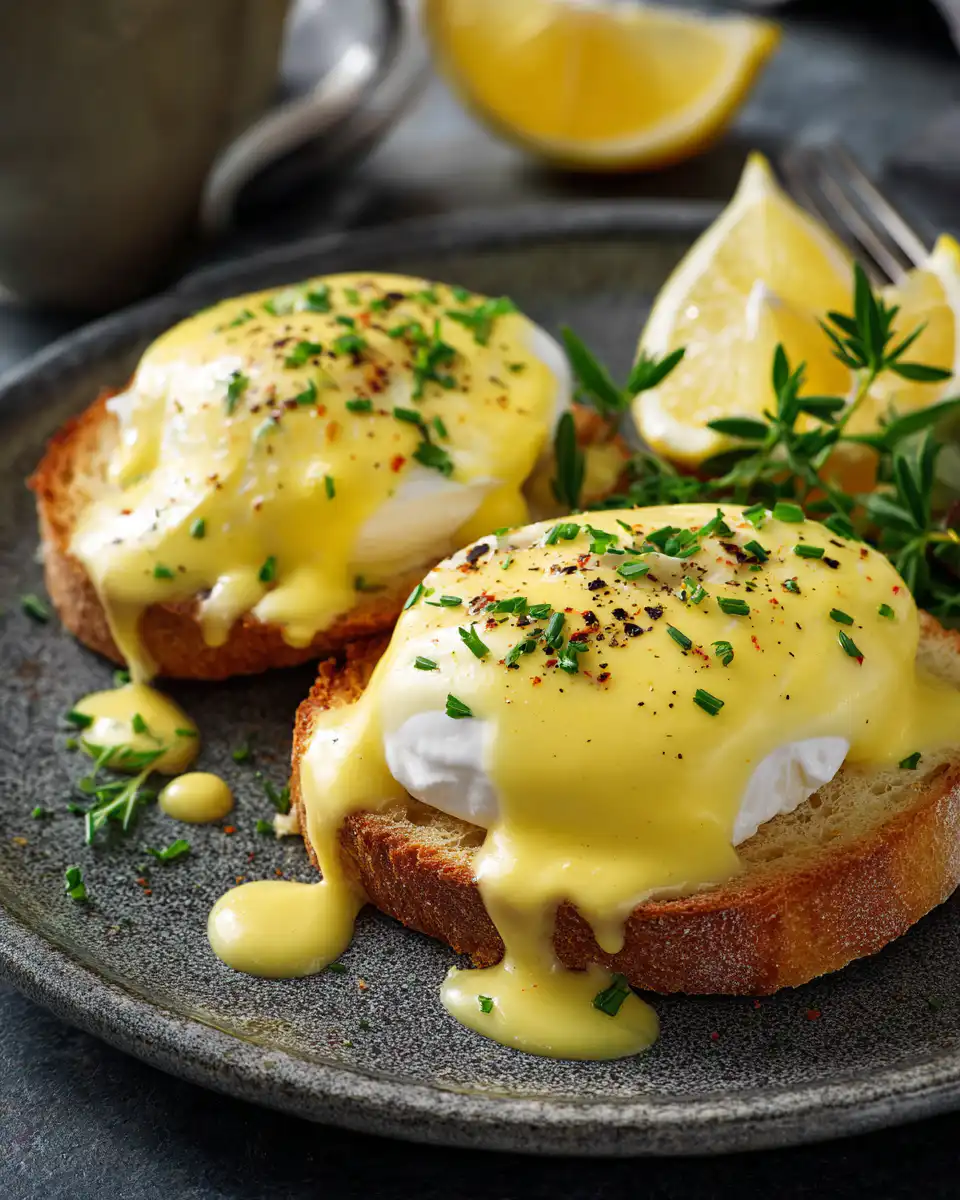
Poached eggs , Canadian bacon on an English muffin , all drowned in creamy Hollandaise — a brunch classic .
7.2 Asparagus and Other Vegetables
A drizzle of sauce turns simple steamed veggies into a fancy side dish .
7.3 Seafood Pairings
Crab , lobster or grilled fish get an upgrade with that rich , buttery layer .
7.4 Breakfast and Brunch Ideas
Put it on avocado toast or potato pancakes to make your morning pop .
8. Common Mistakes When Making Hollandaise Sauce
- Too much heat : Eggs scramble instead of emulsifying .
- Wrong ratio : Too much butter makes it greasy , too little and it’s runny .
- Stopping whisking : If you pause , the sauce can separate .
9. Frequently Asked Questions (FAQs)
9.1 How do you store Hollandaise sauce?
Keep it in an airtight container in the fridge for up to 2 days . Reheat gently over a double boiler .
9.2 Can Hollandaise sauce be made ahead of time?
You can make it ahead and keep it warm , but watch the heat so it doesn’t curdle .
9.3 What can I substitute for egg yolks?
Silken tofu or store-bought egg replacer might work , but the taste and texture will change .
9.4 How long does homemade Hollandaise last?
Eat it within 2 days when chilled . Always check smell and look for any weird changes .
10. Conclusion
Hollandaise sauce might seem tricky at first , but once you learn the basic steps , you can get playful with flavors and make any dish feel special . Give it a try and see how it transforms your cooking .

Hollandaise Sauce
Equipment
- 1 double boiler or heatproof bowl
- 1 whisk
- 1 measuring cups
- 1 measuring spoons
- 1 saucepan
- 1 small bowl
Ingredients
- 3 large egg yolks
- 1 tablespoon water
- 1 tablespoon lemon juice freshly squeezed
- ½ cup unsalted butter 1 stick, melted
- to taste Salt
- optional Cayenne pepper for seasoning
Instructions
- Prepare a double boiler by filling the bottom pot with a few inches of water and bringing it to a simmer over medium heat.
- In a heatproof bowl, combine the egg yolks, water, and lemon juice. Whisk together until the mixture becomes pale and slightly thickened.
- Place the bowl over the simmering water. Continue whisking the mixture vigorously while slowly pouring in the melted butter to create an emulsion.
- Keep whisking until the sauce thickens and achieves a smooth, creamy consistency, which usually takes about 3-5 minutes.
- Once thickened, remove the bowl from the heat. Season with salt to taste and a pinch of cayenne pepper if desired.
- Serve immediately, or keep warm for a short period by placing the bowl back over the hot water (off the heat).
- If the sauce becomes too thick, thin it out with a teaspoon of warm water.
- For a lemony twist, adjust the amount of lemon juice to suit your taste.