








Pаnе di Pasquа , that special Italian Easter bread , has been on kitchen tables for generations . It’s a sweet , braided loaf that folks bake to celebrate spring and new life . The dough gets braided by hand , and sometimes colored eggs are tucked right into the braid . It’s a family thing , and even if your loaf turns out a bit shaky , it still tastes good .
This bread isn’t just food ; it’s a way to share stories and recipes that parents taught their kids . In every part of Itаly , people add their own twist — maybe more sugar in the South or extra citrus zest up North . But no matter where you are , this bread brings families back together on Easter morning .
In the next sections , we’ll look at why Pane di Pasqua is so important , check out the styles from different regions , and give you a simple recipe to try at home . Whether you’re a pro baker or just a curious newbie , you’ll find tips to make your own tasty loaf .
Introduction to Italian Easter Bread
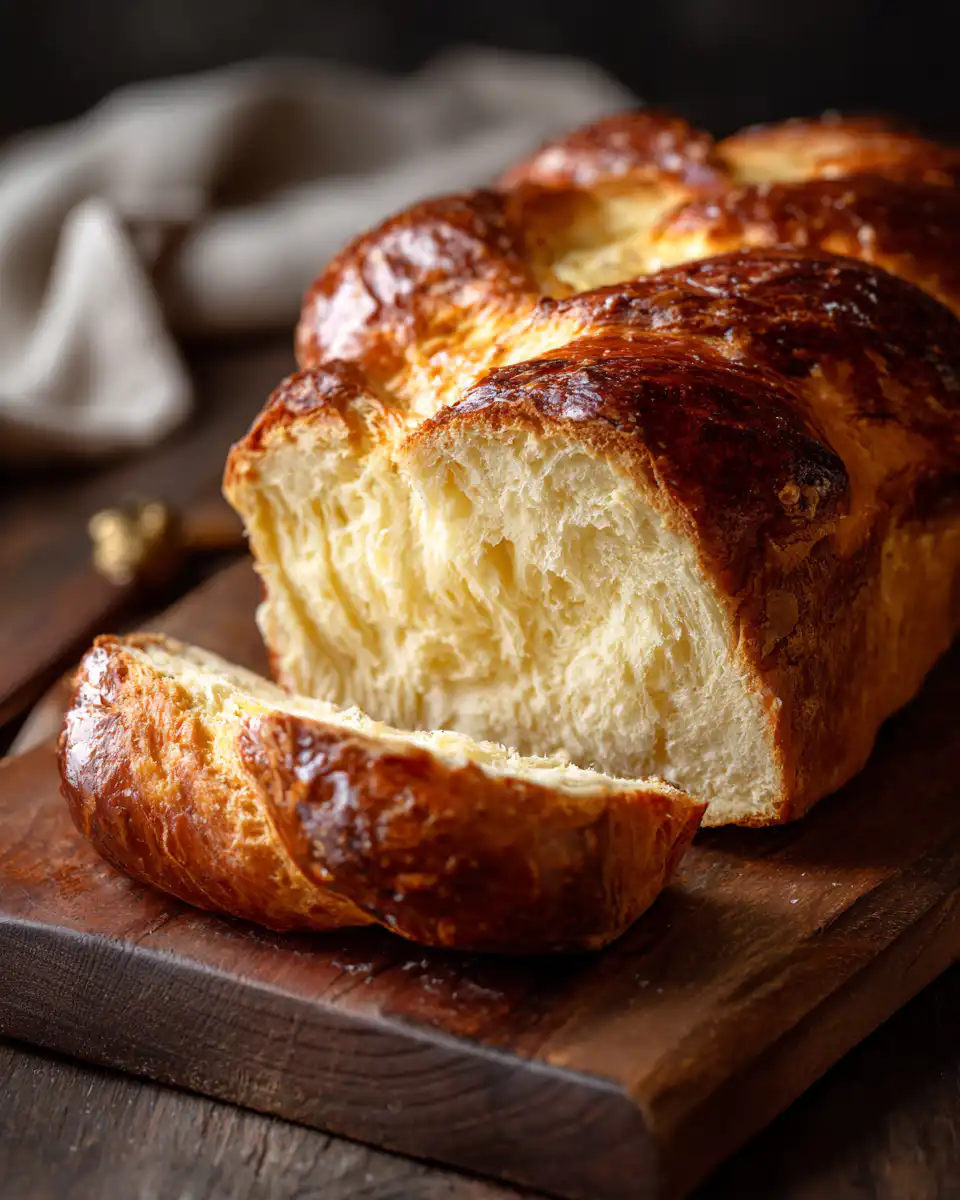
Italian Easter bread , also called Pane di Pasqua , is a sweet loaf that shows up on many Easter tables . The loaf is braided and sometimes has eggs colored red , green , or blue stuck in it . People believe those eggs stand for new life after a long , cold winter .
Families often make it together the day before Easter . While the dough rises , older relatives tell stories about how they learned the recipe from their own parents . It’s a simple way to keep family traditions alive , even if the house ends up a little messy .
Origins and Cultural Significance
Pane di Pasqua goes back hundreds of years , with roots in church and village celebrations . In Southern Italy , the loaves are extra fancy — twisted or braided into circles and decorated with lots of eggs . Up North , the bread is plainer , so you really taste the butter and eggs .
The bread is more than a tasty treat . It represents hope , rebirth , and the joy of seeing spring’s first flowers . Baking it with family means passing down more than a recipe ; you’re sharing a piece of your heritаge .
Types of Italian Easter Bread
There are a few popular varieties of Easter bread in Italy , each showing off local tastes :
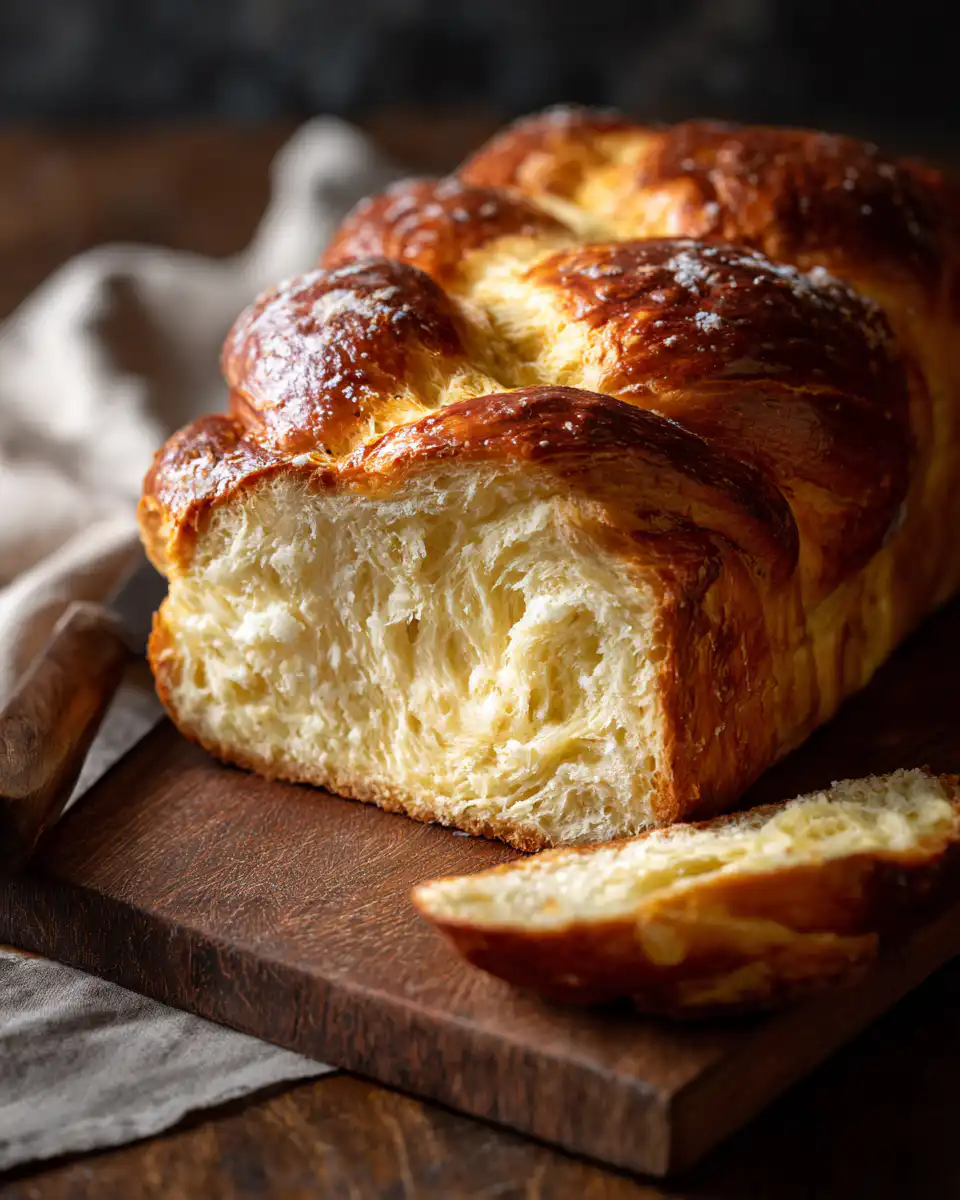
- Pane di Pasqua: The classic sweet braided bread with colored eggs baked in . It’s usually flavored with citrus zest or a hint of anise .
- Colomba Pasquale: This one looks like a dove and has a soft , cake-like crumb topped with almonds and sugar crystals . It stands for peace and resurrection .
- Taralli: Not braided at all , taralli are small rings that can be sweet or savory . Folks often add fennel seeds or pepper to give them a nice kick .
Southern versions tend to be richer , sometimes using lard or extra eggs for a denser bread . Northern loaves are lighter , letting simple ingredients shine .
Ingredients Breakdown
Here are the basics you need to make Italian Easter bread :
- Flour: All-purpose flour works fine ; bread flour gives a chewier texture .
- Yeast: Fresh yeast is traditional , but active dry yeast is easier to find .
- Eggs: They add color , moisture , and help bind the dough .
- Sugar: Makes the bread sweet and helps the crust brown .
- Flavorings: Citrus zest or anise seeds are classic choices .
Mixing these simple ingredients gives you a loaf that’s full of meaning and flavor . Even if your braid looks a bit wonky , it’s still worth the effort — and it’ll taste amazing when you share it with friends and familу .
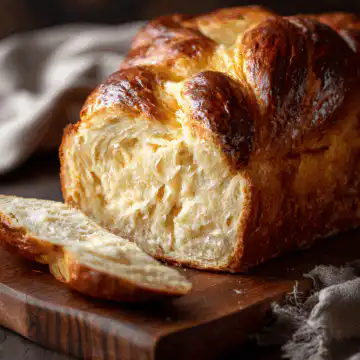
italian easter bread
Equipment
- 1 large mixing bowl
- 1 wooden spoon or spatula
- 1 measuring cups and spoons
- 1 plastic wrap
- 1 baking sheet
- 1 parchment paper
- 1 oven
Ingredients
- 4 cups all-purpose flour
- ½ cup granulated sugar
- ½ teaspoon salt
- 2 teaspoons active dry yeast
- 1 cup warm milk (about 110°F)
- ¼ cup unsalted butter Melted.
- 2 large eggs
- 1 tablespoon vanilla extract
- 4-6 colorful eggs (hard-boiled and dyed for decoration)
- a little extra butter For greasing.
Instructions
- In a large mixing bowl, combine warm milk and yeast. Let it sit for about 5 minutes until it becomes frothy.
- Add the melted butter, granulated sugar, eggs, and vanilla extract to the yeast mixture. Stir until well combined.
- Gradually add the flour and salt to the wet ingredients. Mix using a wooden spoon or spatula until a dough begins to form.
- Transfer the dough onto a floured surface and knead for about 8-10 minutes until it becomes smooth and elastic.
- Place the kneaded dough in a greased bowl, cover it with plastic wrap, and let it rise in a warm place for about 1 hour or until doubled in size.
- After the dough has risen, punch it down and divide it into three equal parts. Roll each part into a long rope about 1 inch thick.
- Braid the three ropes together to form a single loaf and shape it into a circle by pinching the ends together.
- Carefully place the braided bread onto a baking sheet lined with parchment paper. Gently nestle the hard-boiled eggs into the braided dough.
- Cover the bread with a towel and let it rise again for about 30 minutes.
- Preheat the oven to 350°F (175°C).
- Bake the bread for 25-30 minutes or until golden brown and cooked through.
- Allow the bread to cool on a wire rack before serving.