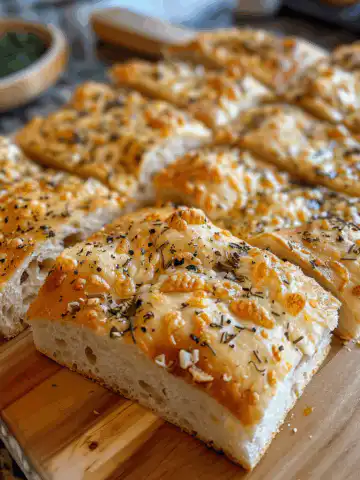









The pot lid rattles and you know dinner is almost ready. That sound is like a little drumroll telling you all the good stuff inside is getting cozy and mixed just right. It’s kinda comforting, like you’ve set things in motion and now you just gotta wait a bit.
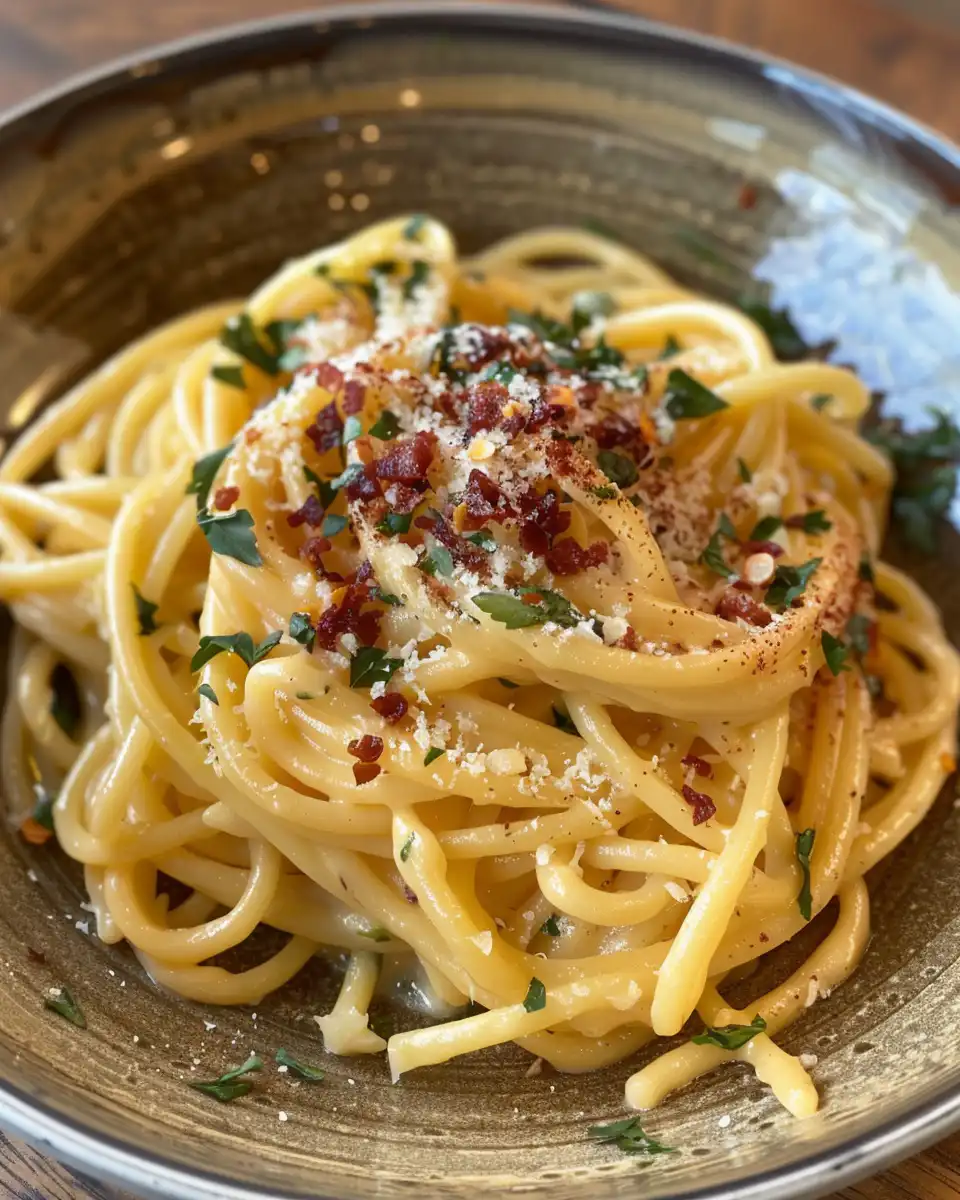
You spot that wonderful steam rising, filling your kitchen with the sweet and savory smell of roasted garlic and butternut squash. It’s like the house itself is wearing a warm sweater. You recall how tasty it’ll be once that squash is tender and buttery soft.
Then you sense there’s more to come. The pasta cooking water is almost ready, and you remember to save some for the sauce. That’s the little trick that takes this dish from good to heck yeah. You can’t wait to twirl that silky pasta around your fork.
What Makes Pressure Cooking Win Every Round
- Speedy dinners: When you’re low on time, pressure cooker gets to work fast. That sealing ring tightens up and steam builds quick, cutting down cooking time big time. Check out other quick pressure cooker meals for speedy dinner inspiration.
- Flavor boost: Pressure build traps all those roasted garlic and herbs flavors right inside. That broth depth you get? Dang, it’s richer and way more intense. Learn more about how to boost flavor in cooking.
- Hands-off cooking: You set it, you wait. No stirring or babysitting while the magic happens. Steam cues tell you when it’s done.
- Fuel saver: Less gas or electric used 'cause cooker finishes faster than traditional methods.
- Perfect textures: You get that tender pull on butternut squash that’s buttery but still holds up under all that creamy sauce.
What Goes Into the Pot Today
- 1 tablespoon extra virgin olive oil
- 2 cups cubed butternut squash
- 6-10 cloves garlic
- 2 tablespoons fresh thyme leaves
- 2 tablespoons chopped fresh rosemary
- Crushed red pepper flakes
- Kosher salt and black pepper
- 8 slices prosciutto
- ½ cup ricotta cheese
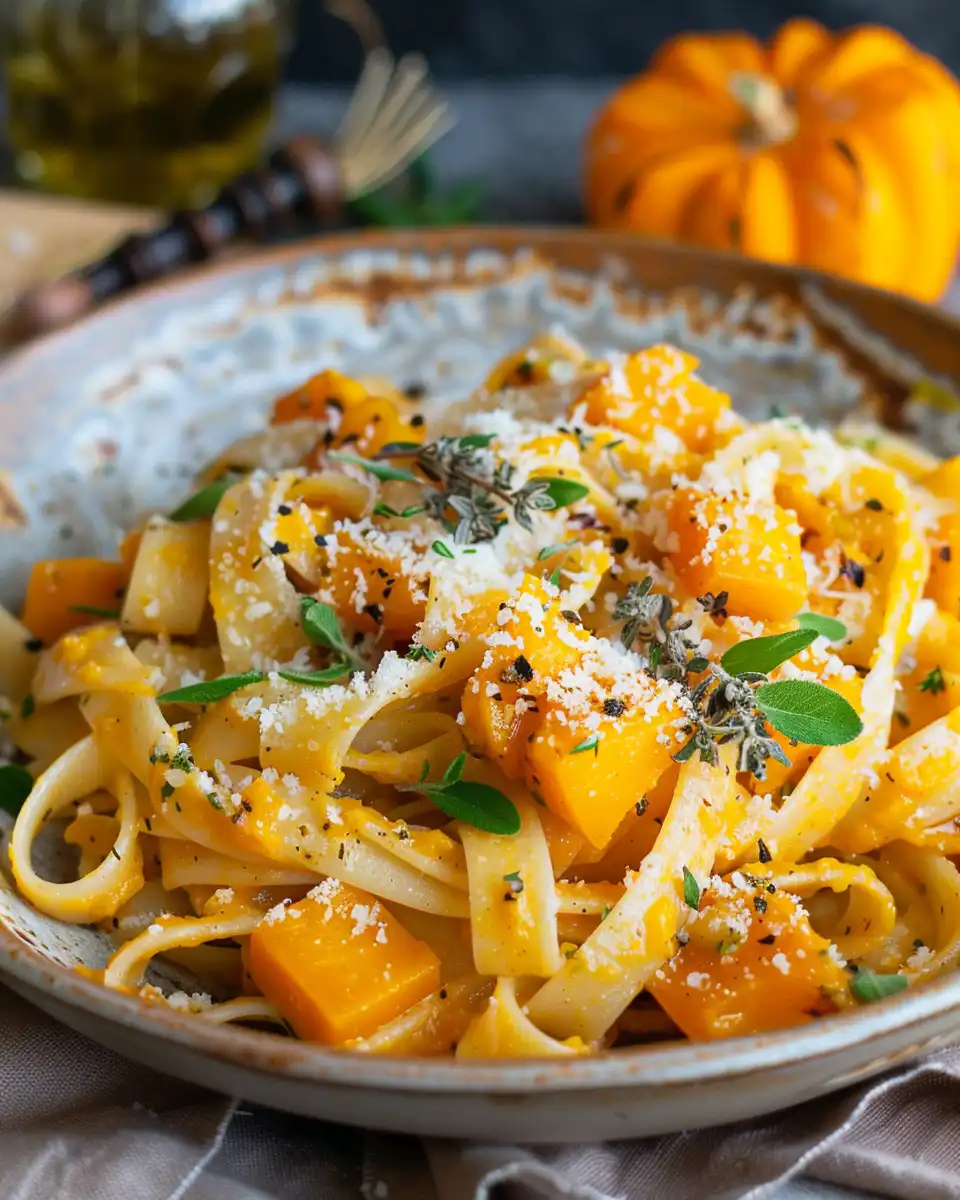
These ingredients, they’re like a little flavor party. You gotta that olive oil to get everything slick and roasting nicely. The butternut squash and garlic? They’re the stars, getting all sweet and mellow with the heat. Fresh thyme and rosemary add that earthy punch, while the red pepper flakes kick just enough heat to keep you interested.
The prosciutto wraps around the mix, roasting until it’s just crisp. And ricotta? It’s the creamy glue that holds it all together. This pasta wouldn’t be the same without it.
How It All Comes Together Step by Step
Step 1: First, preheat your oven to 400 degrees Fahrenheit. Toss that olive oil, cubed butternut squash, cloves of garlic, fresh thyme, and one tablespoon of that rosemary on a baking sheet. Add a pinch of red pepper flakes, salt, and pepper too.
Step 2: Lay the prosciutto slices around the squash. Pop it in the oven and bake for 20 minutes, then check how that prosciutto is doing. Bake for another 10 to 15 minutes until the squash is tender and perfectly roasted.
Step 3: Next, pop the cooked squash, garlic, and ricotta into a food processor. Puree it up till it’s smooth and silky. Give it a pinch of salt and pepper, cuz hey, you gotta season well.
Step 4: Bring a large pot of salted water to a boil for your pasta. Cook it till it’s al dente according to package directions. Right before you drain, save one cup of that pasta water. It’s gonna help make that sauce perfect.
Step 5: Melt together butter, fresh sage, and the last tablespoon of rosemary in a skillet. Cook until the butter gets a little brown and smells nutty. Stir in your butternut squash puree and half a cup of the pasta water. Keep stirring, then melt in the gouda and parmesan cheeses.
Step 6: Toss in the pasta until it’s all coated with that creamy sauce. If it seems too thick, add a splash more of your reserved pasta water. Then plate it up, top with parmesan and the crispy prosciutto. Twirl it up and dig in!
Valve Hacks You Need to Know
When you’re pressure cooking, the sealing ring is your best friend. Make sure it’s clean and sits right so steam don’t escape before pressure build happens.
Keep an eye on the steam cues. That little steady hiss means everything’s cooking just right. Too much or too little could mean adjustment needed.
Want to speed up release? You can quick release, but watch your fingers and keep the valve pointed away from you. It’s gotta be done safely.
Save some cooking water or broth depth for thinning sauces or adding moisture back after pressure cooking. It’s a secret trick to keep dishes luscious and not dry.
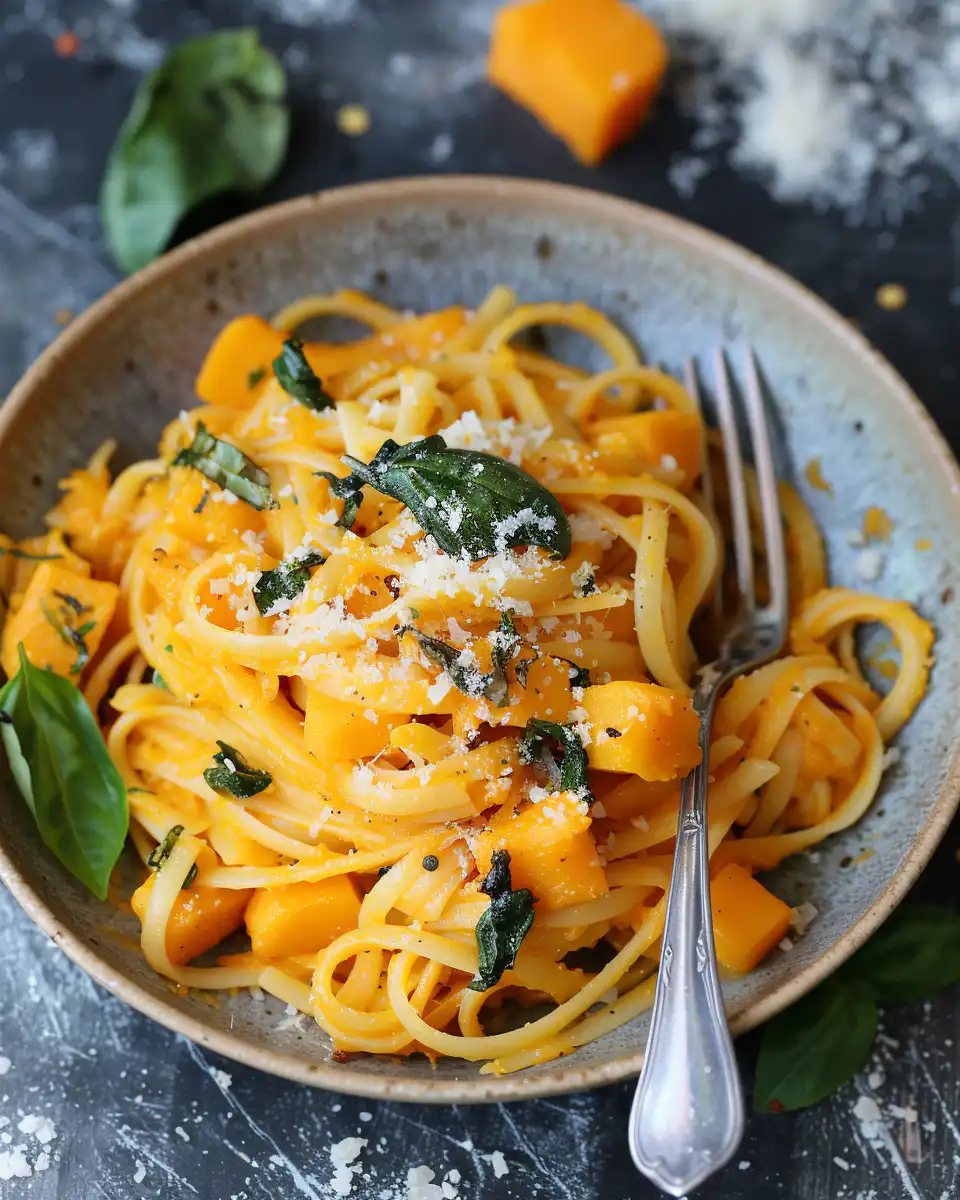
Your First Taste After the Wait
When you finally get that first bite, it’s like a warm hug on your tongue. Creamy butternut squash sauce clings to every pasta strand, rich and full of garlicky sweetness.
The herbs come through just right, while that hint of crushed red pepper flakes adds the tiniest zing. The prosciutto adds that salty crunch that makes your taste buds do a little happy dance.
The cheeses melt so smooth, creating a sauce so creamy you won’t believe it started with roasted veggies. This pasta, it feels like comfort food you wanna eat over and over. Try it with our creamy pasta sauce recipes for more delicious ideas.
You remember why pressure cooker dinners are the stuff you come back to when the day’s been long and you need that quick, satisfying meal. Don’t miss our posts about pressure cooker tips for even better results.
Making It Last All Week Long
Got leftovers? No problem. Store any extra pasta in an airtight container in the fridge. It’s gonna stay tasty for about 3 to 4 days. Also, check out our guide on making pasta last throughout the week to keep it fresher for longer.
When reheating, add a splash of water or broth to loosen up that creamy sauce. It thickens when cold, so this helps bring it back to life.
If you want to freeze, freeze portions without the prosciutto. It freezes well for up to 2 months. Thaw in the fridge overnight before reheating gently on the stove.
For a quick lunch, pack the pasta separate from prosciutto so it keeps that nice crispiness when you’re ready to eat. Just bring a little container of parmesan cheese for topping.
Everything Else You Wondered About
Q1. Can I skip the prosciutto or swap it for something else?
You sure can! Try sun-dried tomatoes as a garnish in step 7 — about ¼ to ½ cup sliced thin. No need to roast them, just sprinkle on top before serving.
Q2. When does the sage get added?
Good catch! Sage is added during the butter melting step before mixing in the sauce. It’s not roasted but gives that warm herbal note to your sauce.
Q3. How do I make the sauce less thick if it’s too heavy?
Use reserved pasta water little by little to thin the sauce until it’s just right. That starchy water adds creaminess without watering down flavor.
Q4. Can I use other cheeses if I don’t have gouda or parmesan?
Sure thing. Gruyere, fontina, or even mozzarella work. Just choose something that melts nicely and has a mild flavor.
Q5. How do I know when the butternut squash is done perfectly?
Look for tender pull when pierced with a fork or knife — it should give easily but not be mushy. Roasting time may vary slightly with your oven.
Q6. Any tips for saving pasta cooking water?
Yep, always scoop the water off before draining pasta fully. Keep it in a heatproof container so you can add back as you toss the pasta for perfect sauce consistency.

Creamy Roasted Garlic Butternut Squash Pasta
Equipment
- 1 Mixing bowl Large
- 1 Baking sheet
- 1 Food processor
- 1 Large pot for boiling pasta
- 1 Skillet for sauce
Ingredients
Main ingredients
- 1 tablespoon extra virgin olive oil
- 2 cups butternut squash cubed
- 6-10 cloves garlic
- 2 tablespoons fresh thyme leaves
- 2 tablespoons fresh rosemary chopped
- Crushed red pepper flakes to taste
- Kosher salt to taste
- Black pepper to taste
- 8 slices prosciutto
- ½ cup ricotta cheese
- butter
- fresh sage
- 1 tablespoon fresh rosemary
- ½ cup reserved pasta water
- gouda cheese shredded
- parmesan cheese shredded
- pasta of choice
Instructions
Instructions
- Preheat oven to 400°F. Toss olive oil, cubed butternut squash, garlic cloves, fresh thyme, and 1 tablespoon rosemary on a baking sheet. Add salt, pepper, and red pepper flakes.
- Lay prosciutto slices around the squash. Bake for 20 minutes. Check doneness, then bake 10–15 more minutes until squash is tender and prosciutto is crispy.
- Add roasted squash, garlic, and ricotta to food processor. Puree until smooth and season with salt and pepper.
- Boil salted water for pasta and cook to al dente. Reserve 1 cup pasta water before draining.
- Melt butter with fresh sage and remaining rosemary in a skillet until butter browns and is fragrant. Stir in squash puree and ½ cup pasta water. Stir to combine.
- Add gouda and parmesan to sauce. Stir until melted. Toss in cooked pasta until fully coated. Thin with extra pasta water if needed.
- Serve pasta topped with crispy prosciutto and additional parmesan. Enjoy!