








The pressure builds and you start counting down minutes until you eat. You spot the sealing ring snugly in place and feel good about it. Soon enough, that hiss from the valve tells you your Gyudon is cooking right under pressure. It kinda makes you feel like a chef on a mission.
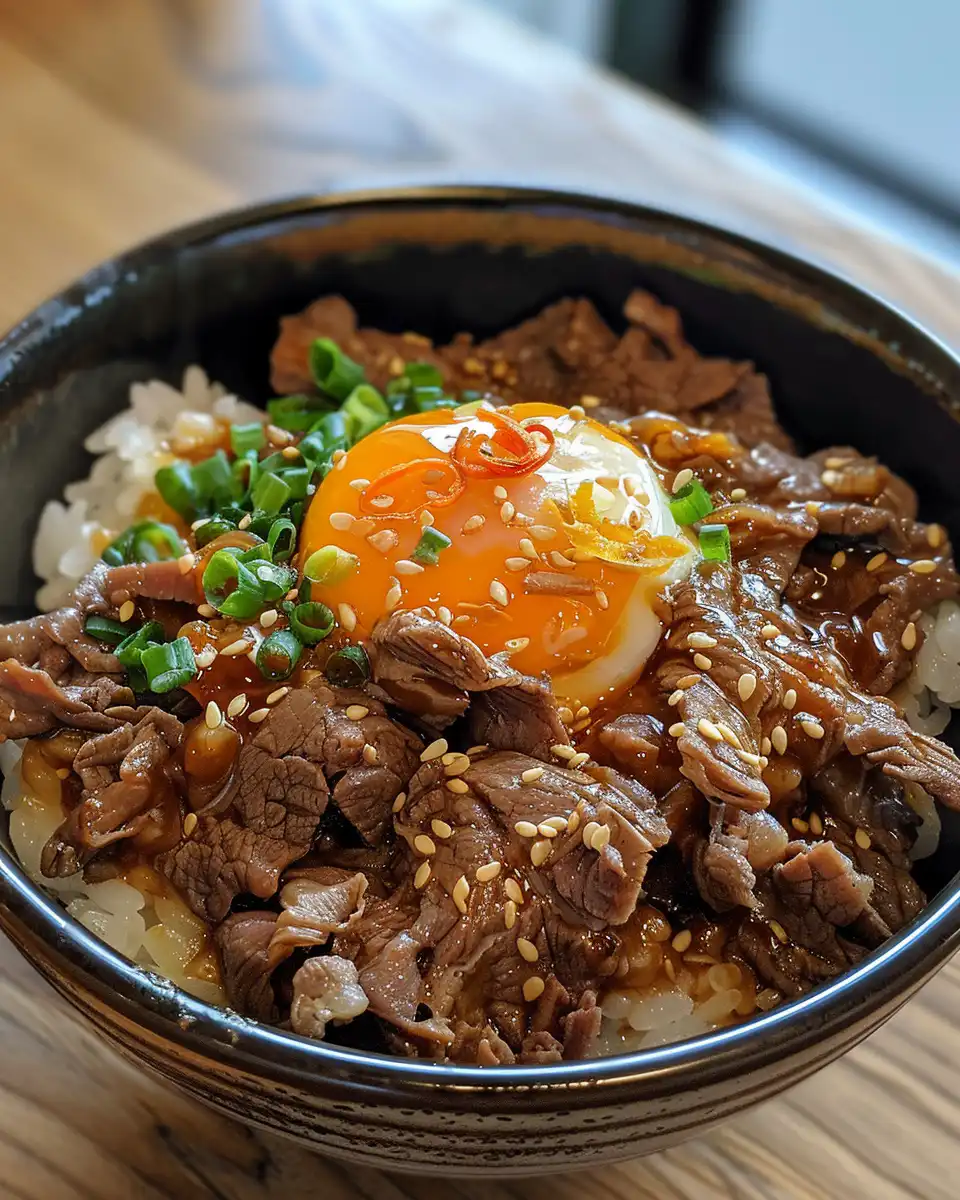
As the timer ticks down, you recall how easy it is to get that rich, tender beef with this setup. Unlike stovetop simmering that takes longer, your cooker’s got this covered in a flash. You peek once or twice at the steam cues escaping just right, knowing your meal’s gonna be perfect.
When you open that lid after natural release, that scent hitting you is totally worth the wait. The sweet soy and dashi mix with the soft onions and beef, all tender from the pressure. You can hardly wait to spoon it over piping hot rice and dig in.
Why Your Cooker Beats Every Other Pot
- It locks in flavors by cooking under pressure, so beef gets tender real fast.
- Less active time—you can set it and do other stuff while it cooks.
- Steam cues and valve hiss help you know exactly when it’s cooking right.
- Natural release keeps meat juicy without drying it out.
- It’s perfect for layered dishes like Gyudon, where everything cooks in one pot.
The Complete Shopping Rundown
You gotta get just the right stuff for this one. Start with about ½ onion, thinly sliced, since it soaks up the dashi flavor real good. Grab a green onion or scallion for that fresh garnish; it adds a nice pop at the end.
Next, ½ pound of thinly sliced beef works wonders here. Ribeye’s perfect if you find it but don’t stress slicing your own thin cuts either. Then there’s ½ cup of dashi—it’s the heart of the broth. You can use standard Awase Dashi, or a packet or powder version, even vegan stuff if you want.
For the seasonings, snag 2 tablespoons of sake, or sub with dry sherry, Chinese rice wine, or water if you prefer no alcohol. Add 2 tablespoons of mirin, or mix sake and sugar instead. Soy sauce, 3 tablespoons, brings that deep umami you’re after. And don’t forget 1 tablespoon sugar to balance it all.
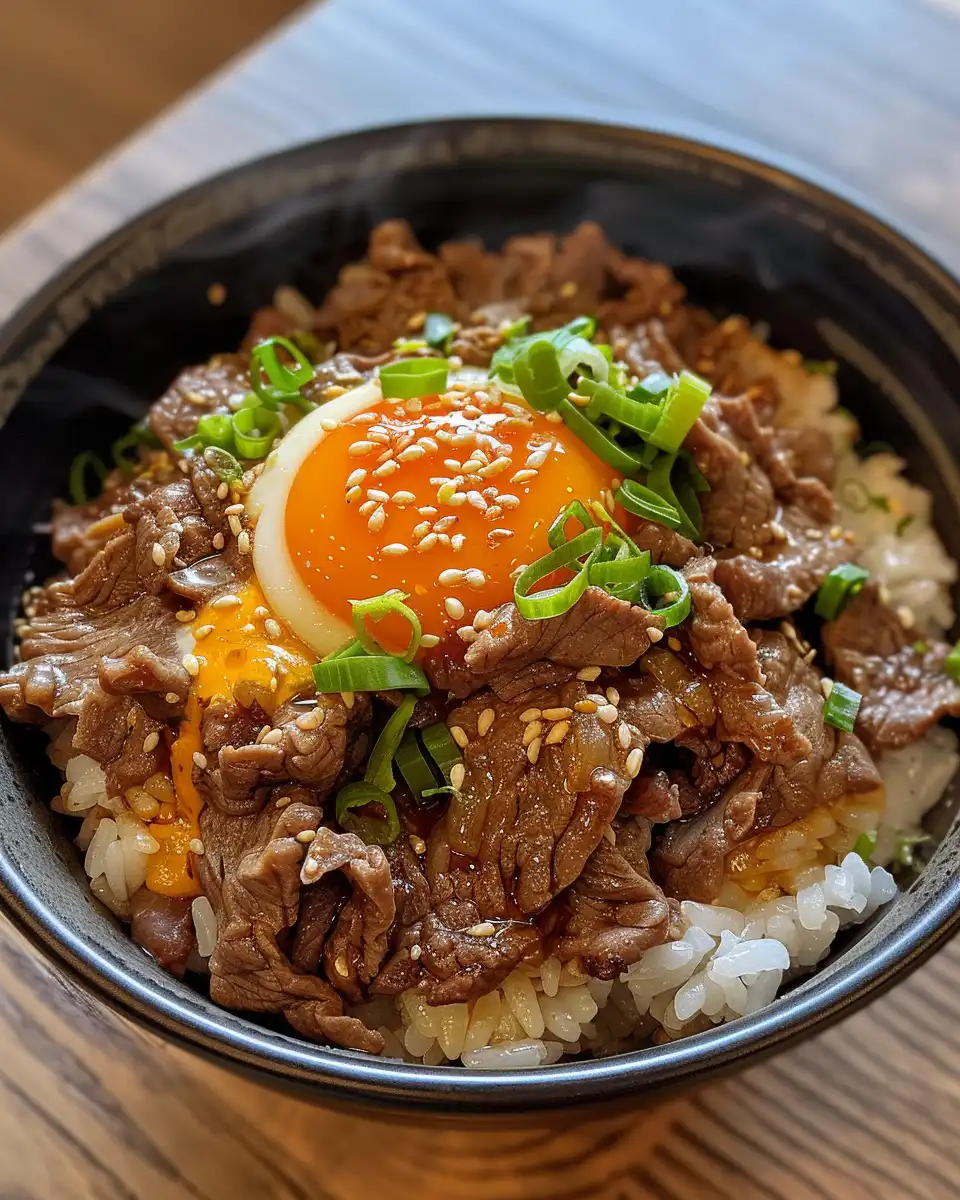
Final must-have is Japanese short-grain rice, cooked and ready to go, about two servings. Oh and pickled red ginger for garnish, adding a bright tang that finishes the bowl right.
Walking Through Every Single Move
First, slice your onion and green onion thin. The thinner the better so it soaks up that broth fast.
Next, you pour dashi, sake, mirin, soy sauce, and sugar into a medium saucepan. Turn the burner on medium and get it simmering gently.
Then toss in those sliced onions. Cook until they’re translucent, about 5 minutes, stirring now and then so they don’t stick. That smell already makes your mouth water.
Now add the thinly sliced beef. Since it’s thin, it cooks quick, about 5 to 7 minutes until it loses that pink color. Stir and keep it cozy in the simmering broth.
Give it a taste and tweak if it’s too salty or sweet for your liking, then kill the heat. You’re almost there.
Spoon your cooked rice into bowls, making sure it’s hot and ready for the beef topping.
Pile on the simmered beef and onion mix right over the rice, ladling some of that delicious sauce too.
Top with chopped green onion and a few bits of pickled red ginger. Get ready to enjoy with chopsticks or a fork, it works real good either way.
Easy Tweaks That Make Life Simple
If you’re short on time, you can use pre-sliced beef from the store but watch the thickness; thicker cuts take longer to cook.
Substitute dashi with strong chicken broth if you don’t have Japanese stock handy. It’s not the same but still tasty.
For a non-alcoholic option, just swap out sake and mirin with water and add a little sugar for sweetness.
Got leftover pickled ginger? You can skip it or just add a quick splash of vinegar to mimic that tangy kick.
When You Finally Get to Eat
That first forkful melts in your mouth. The beef is tender, soaking up that blend of soy and dashi gently. You feel so satisfied with how quick it came together.
The soft onions add a slight sweetness and texture that makes every bite cozy and filling. It’s the kind of food that feels like a warm hug after a long day.
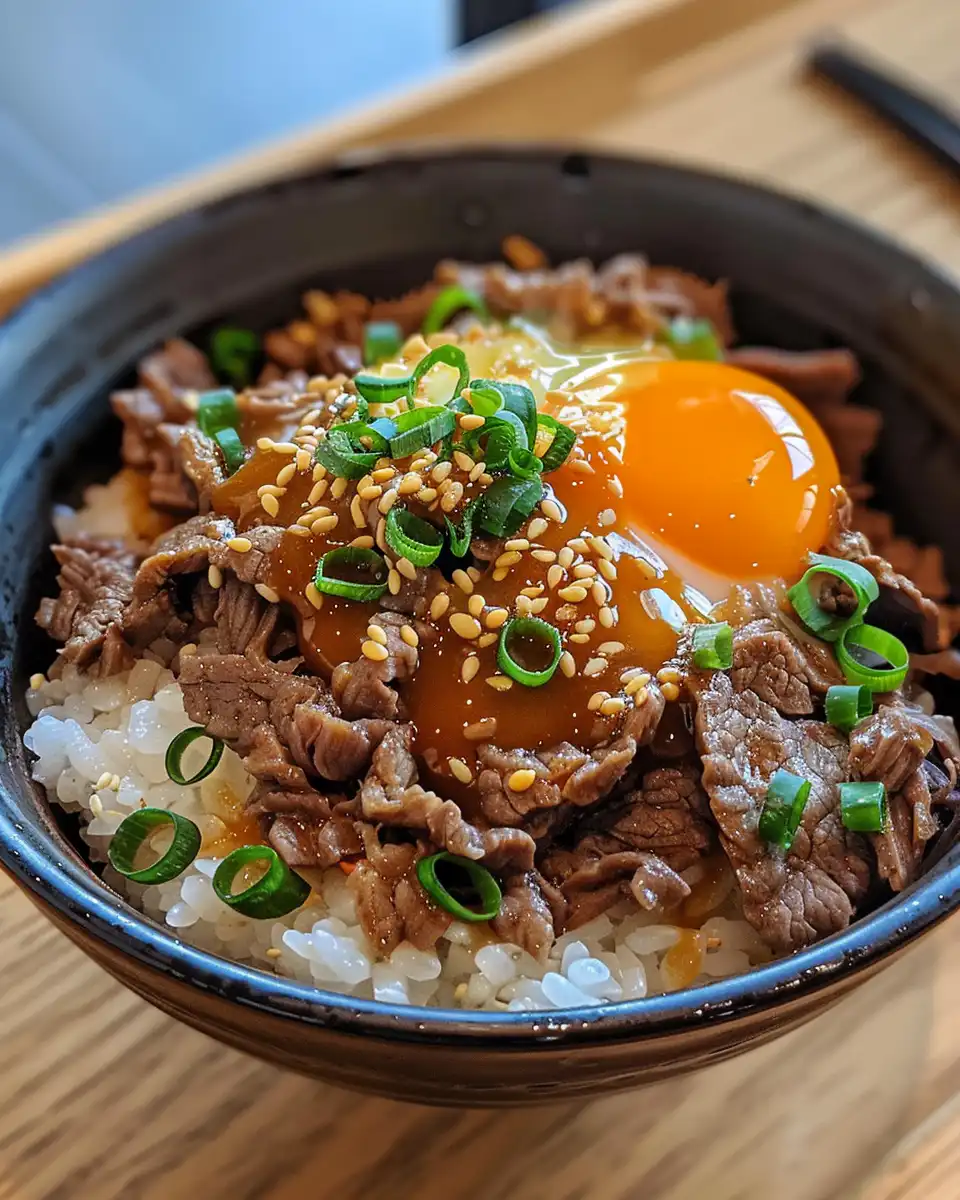
The fluffy Japanese short-grain rice underneath catches all the juices from the beef. It creates a balance between savory and sweet, sticky and soft.
And those bright pops of pickled red ginger on top? They cut through the richness, making sure your palate stays happy and excited for every spoonful.
Your Leftover Strategy Guide
Store any leftovers in an airtight container, fridge it within two hours of cooking so it stays fresh and safe.
When reheating, add a splash of water and cover it loosely to keep that beef moist. Use a microwave or stovetop on low, watch for steam cues.
If you wanna freeze some, cool the Gyudon completely before sealing it tight in a freezer-safe container. Good for up to 2 months if you treat it right.
Thaw frozen leftovers overnight in the fridge, then reheat gently. Don’t rush the heat or you’ll lose that tender texture you worked for.
Your Most Asked Questions Answered
Q1. Can I use a different cut of beef?
You sure can. Ribeye’s best cause it’s tender and fatty, but sirloin or chuck will work too. Just slice thin so it cooks fast under pressure.
Q2. What if I don’t have dashi?
Try chicken broth or even vegetable stock if you want vegan. It changes the taste but still tasty. You can also find dashi powder packets easy online or at Asian markets.
Q3. How do I know when to do natural release vs quick release?
For Gyudon, natural release is best to keep the meat juicy. Quick release can make it a bit tough. Wait for the valve hiss to stop before popping the lid.
Q4. Can I prep any of this ahead?
You can slice beef and onions and keep them ready, then just dump in the cooker when you want. Sauce mix can sit a day ahead too if you want shortcut.
Q5. What do steam cues mean when cooking?
Steam cues are the little puffs or whisps of steam escaping from your pressure cooker. It means it’s sealing right and cooking under pressure. Once you hear valve hiss, you’re cooking good.
Q6. Do I have to use pickled red ginger?
Not a must, but it’s really nice for cutting through all the richness. If you don’t like it, try adding a splash of vinegar or skip entirely for a milder bowl.
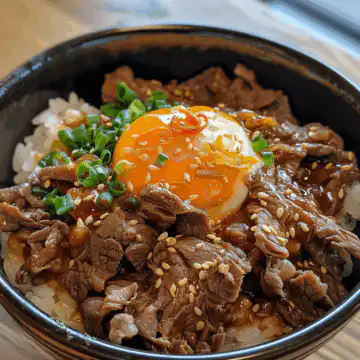
Gyudon (Japanese Beef Rice Bowl) (Video) 牛丼
Equipment
- 1 Saucepan medium sized
Ingredients
Main ingredients
- 0.5 Onion thinly sliced
- 1 Green onion chopped, for garnish
- 0.5 lb Thinly sliced beef such as ribeye
- 0.5 cup Dashi Japanese soup stock
- 2 tablespoon Sake or substitute dry sherry or water
- 2 tablespoon Mirin
- 3 tablespoon Soy sauce
- 1 tablespoon Sugar adjust to taste
- 2 servings Cooked Japanese short-grain rice
- Pickled red ginger to garnish
Instructions
Instructions
- Thinly slice the onion and green onion.
- In a saucepan, add dashi, sake, mirin, soy sauce, and sugar. Bring to a gentle simmer over medium heat.
- Add sliced onions to the pan and cook until translucent, about 5 minutes, stirring occasionally.
- Add the thinly sliced beef and simmer for 5–7 minutes, until it’s no longer pink.
- Taste and adjust seasoning if needed. Turn off the heat.
- Spoon cooked rice into serving bowls.
- Top rice with beef and onion mixture and ladle some sauce on top.
- Garnish with green onion and pickled red ginger. Serve hot.