








The pot lid rattles and you know dinner is almost ready. That sound kinda tells you something good is cooking in there and you start to feel excited to eat. You might even lean a little closer to hear the float valve doing its thing, steam whisperin out just right, making the whole kitchen smell amazing.
You remember the last time you tried to make ramen without a pressure cooker and how it took forever just to get the broth right. This time it feels different. The steam cues and the natural release method work kinda like a secret helper, bringing out flavors you didn’t think would be possible in such a short time.
You recall the tender pull on the chicken when you poke it with a fork after cooking. It’s soft and juicy, almost falling apart but not mushy. That texture is exactly what you want from your chicken ramen. Soon you’ll be slurping up noodles and warm broth that feels like a hug on a plate.
The Real Reasons You Will Love This Method
- Quick cooking with the pressure cooker means you get tender chicken and rich broth way faster than stove top.
- The natural release lets flavors settle and makes the chicken super juicy, not dried out like other ways sometimes do.
- You don’t gotta babysit the pot all the time which frees you up to prep toppings or chill for a bit.
- The float valve and steam cues help you keep perfect control over your cooking and avoid that overcooked mess.
- This method locks in all those garlicky, gingery flavors so your ramen tastes restaurant-level without all the fuss.
All the Pieces for This Meal
- 2 chicken breasts, boneless and skin-on feels best for flavor and tender silky texture.
- Kosher salt and freshly-ground black pepper for seasoning the chicken just right.
- 1 tablespoon unsalted butter to give a nice golden sear on the chicken skin.
- 2 teaspoons sesame or vegetable oil to sauté the ginger and garlic, bringing fragrance.
- 2 teaspoons fresh ginger, minced. This adds that warm spicy note you expect in good ramen.
- 1 tablespoon fresh garlic, minced for that punch of flavor that livens everything up.
- 3 tablespoons low-sodium soy sauce and 2 tablespoons mirin for the broth’s umami and subtle sweetness.
- 4 cups rich chicken stock to build the soup base, plus a handful of dried shiitake mushrooms or fresh if you can get ‘em.
- 2 large eggs for soft-boiled goodness plus ½ cup sliced scallions to garnish your bowls fresh and green.
- 2 packs dried ramen noodles (3 oz each) are gonna soak up all that broth and hold onto flavor.
- Optional extras like fresh jalapeño or chili slices if you wanna kick it up a notch.
Walking Through Every Single Move
First, you gotta season those chicken breasts good with kosher salt and pepper. Don’t be shy here, it’s gonna make a big difference in flavor.
Next, heat your large pot over medium and melt that tablespoon of butter. Place the chicken skin side down and let it sear until nice and golden brown on both sides, usually 5 to 7 minutes. Once browned, set the chicken aside for a bit.
Use the same pot and add sesame oil then toss in the ginger and garlic. Sauté those for about 1 to 2 minutes until your kitchen smells all fragrant and inviting.
Pour in the soy sauce, mirin, and chicken stock, stirring it together so the flavors mix up well in the pot.
Throw in those dried shiitake mushrooms and gently place your seared chicken back into the broth. Bring everything up to a boil, then lower your heat and let it simmer for about 20 to 25 minutes until the chicken is cooked through and tender.
After pressure cooking, use a slow release so you don’t lose any of those precious juices. Remove the chicken then shred or slice it however you like. Put it back into the broth so it soaks up those flavors.
In a separate pot boil your ramen noodles just like the package says, then drain ‘em well but keep ‘em warm.
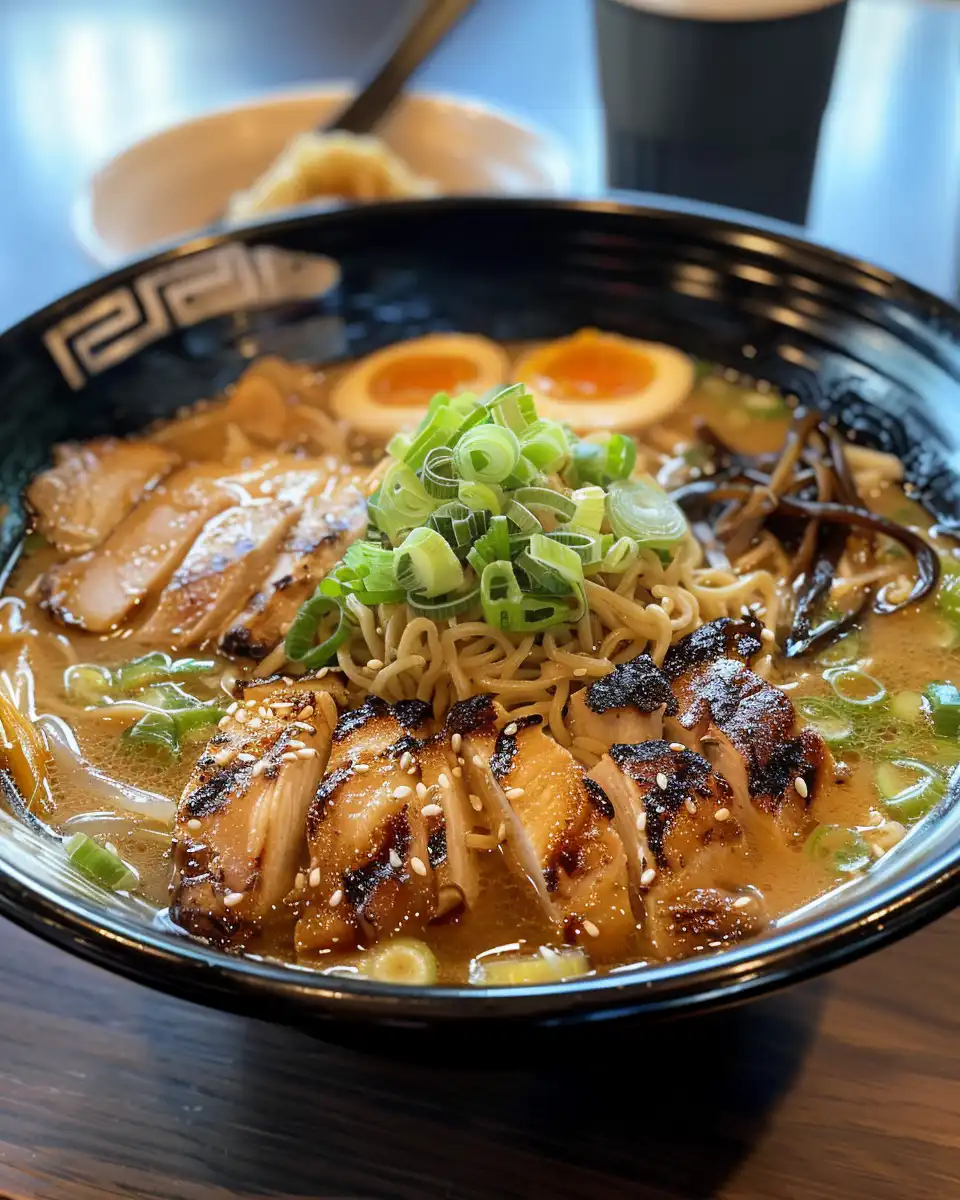
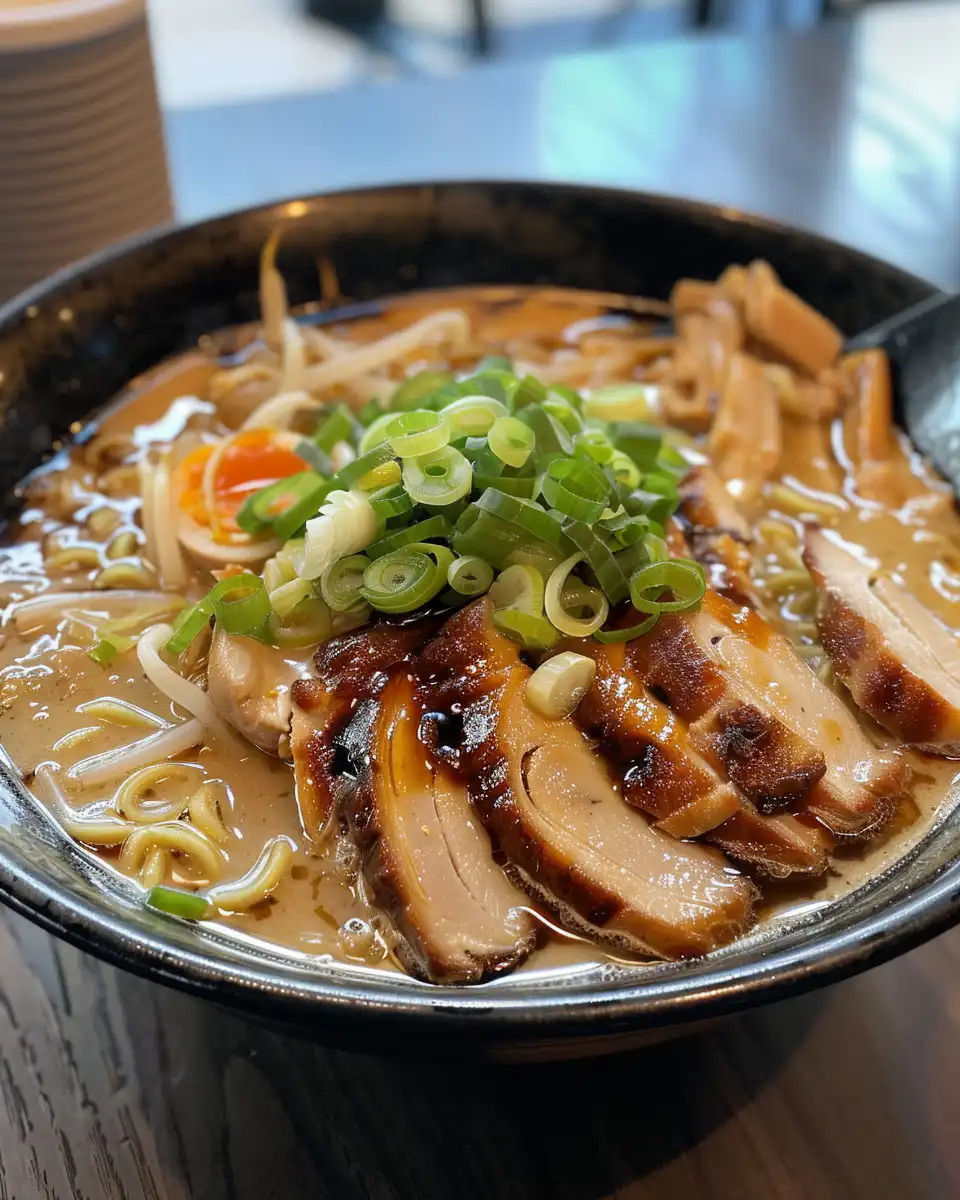
Finally, divide noodles into bowls, ladle the broth and chicken over top and then add your optional toppings like soft boiled eggs, sliced scallions, or a few chili slices if you want some heat. Serve it hot and get ready to dig in!
Quick Tricks That Save Your Time
- Use pre-minced garlic and ginger if you’re kinda short on time. It works real good and gives you the flavor without the chopping.
- Cook your ramen noodles ahead of time and keep them in warm water so they’re ready when the broth’s done.
- Soft boil your eggs a day ahead. You just peel and add them right when you serve.
- If shiitake mushrooms are hard to get, swap for cremini or button mushrooms instead without losing much flavor.
- Keep some sliced scallions in the fridge to grab whenever you wanna garnish faster than fresh chopping each time.
What It Tastes Like Fresh From the Pot
That first spoonful hits you with warm umami from the chicken stock and shiitake mushrooms. There’s this mellow sweetness from the mirin and soy sauce balancing the broth nicely.
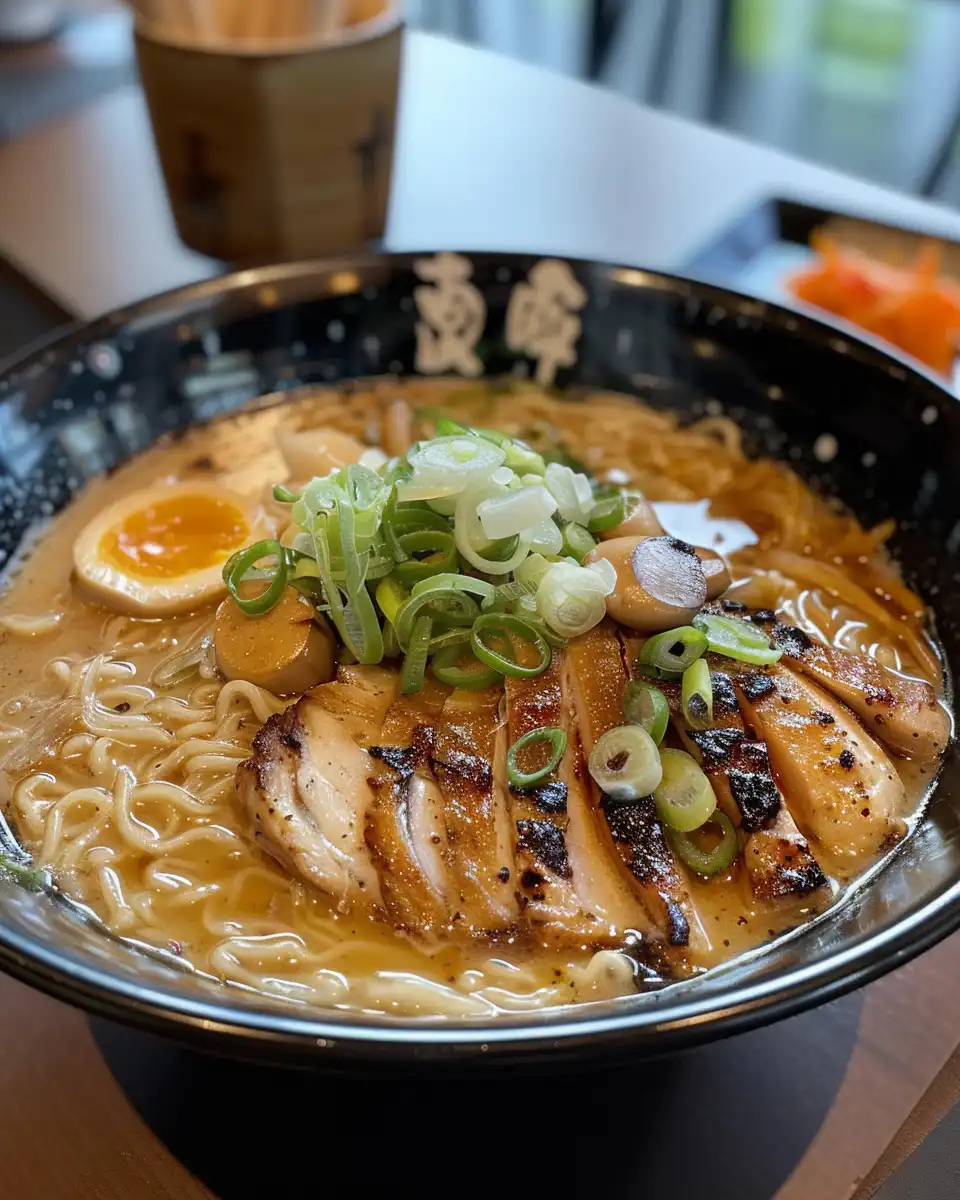
The chicken is tender enough that it almost melts in your mouth, soaking up all those garlic and ginger flavors that make every bite rich with taste.
Noodles have just the right bounce and soak in the broth so good that you feel the warmth spread through you with every slurp. It’s a comforting, cozy bowl that feels like it was made just for you.
Keeping Leftovers Fresh and Ready
Once your chicken ramen cools down, put leftover broth and chicken in an airtight container. It’ll keep well in the fridge for 3 to 4 days and tastes even better after sitting overnight.
If you wanna freeze it, use freezer-safe containers but leave some space at the top since broth expands. Defrost in the fridge overnight before reheating so the texture stays nice.
The cooked noodles don’t freeze well, so store them separately in a sealed container or just keep extra dried noodles on hand to cook fresh next time.
Your Most Asked Questions Answered
- Can I use chicken thighs instead of breasts? Totally! Thighs are even juicier and work great with the pressure cooker method. Just adjust cooking time to 15-20 minutes.
- How do I know when the chicken is done? You’ll notice the chicken is tender when a fork slides in real easy and the float valve has popped for steam release—safe and perfect.
- Can I skip the mirin? You can but the broth might lose a bit of its sweet balance. Try adding a teaspoon of sugar if you don’t have mirin handy.
- Why does my broth taste salty sometimes? If you add too much soy sauce or salt before pressure cooking, it can get intense. Start with less and season at the end to taste.
- How do I get soft-boiled eggs perfect every time? Cook them for 6 minutes in boiling water, then immediately transfer to ice water. They peel super easy and have that soft yolk you want.
- What’s the best way to reheat leftovers? Heat broth and shredded chicken gently on the stove with slow release, then add noodles just before serving so they don’t get mushy.
Simple Homemade Chicken Ramen Pressure Cooker Recipe
Equipment
- 1 Mixing bowl Large
Ingredients
Main ingredients
- 2 chicken breasts boneless and skin-on
- Kosher salt and freshly-ground black pepper for seasoning
- 1 tablespoon unsalted butter
- 2 teaspoons sesame or vegetable oil
- 2 teaspoons fresh ginger minced
- 1 tablespoon fresh garlic minced
- 3 tablespoons low-sodium soy sauce
- 2 tablespoons mirin
- 4 cups rich chicken stock
- dried shiitake mushrooms or fresh
- 2 large eggs soft-boiled
- 0.5 cup sliced scallions for garnish
- 2 packs dried ramen noodles 3 oz each
- fresh jalapeño or chili slices optional
Instructions
Instructions
- Season chicken breasts with kosher salt and pepper.
- Heat a pot over medium heat and melt butter. Sear chicken skin-side down until golden on both sides, about 5–7 minutes. Set aside.
- Add sesame oil to the same pot. Sauté ginger and garlic for 1–2 minutes until fragrant.
- Add soy sauce, mirin, and chicken stock. Stir to combine.
- Add shiitake mushrooms and return seared chicken to pot. Bring to a boil, then simmer 20–25 minutes until chicken is cooked and tender.
- Use natural pressure release. Remove chicken, shred or slice, and return to broth.
- Cook ramen noodles in separate pot according to package directions. Drain and keep warm.
- Divide noodles into bowls. Ladle broth and chicken on top.
- Add optional toppings like soft-boiled eggs, scallions, and chili slices. Serve hot.