









That first hiss from the cooker tells you something good is happening. When you hear that little valve hiss, it27s like the kitchen waking up and saying dang, this is gonna be good. You catch the steam cues and know the pressure build inside your cooker means dinner27s close.
It27s the kind of sound that makes you pause all your scrolling and smell for that broth depth. There27s a sorta comfort in knowin27 your meal27s coming together under that tight seal. Every minute feels like a countdown to yum.
Honestly, it27s weirdly calming to just listen and wait for that natural release. You sense the flavors mingling, the ingredients softening, and you gotta admit it perks you up. That hiss is the soundtrack for a meal well made.
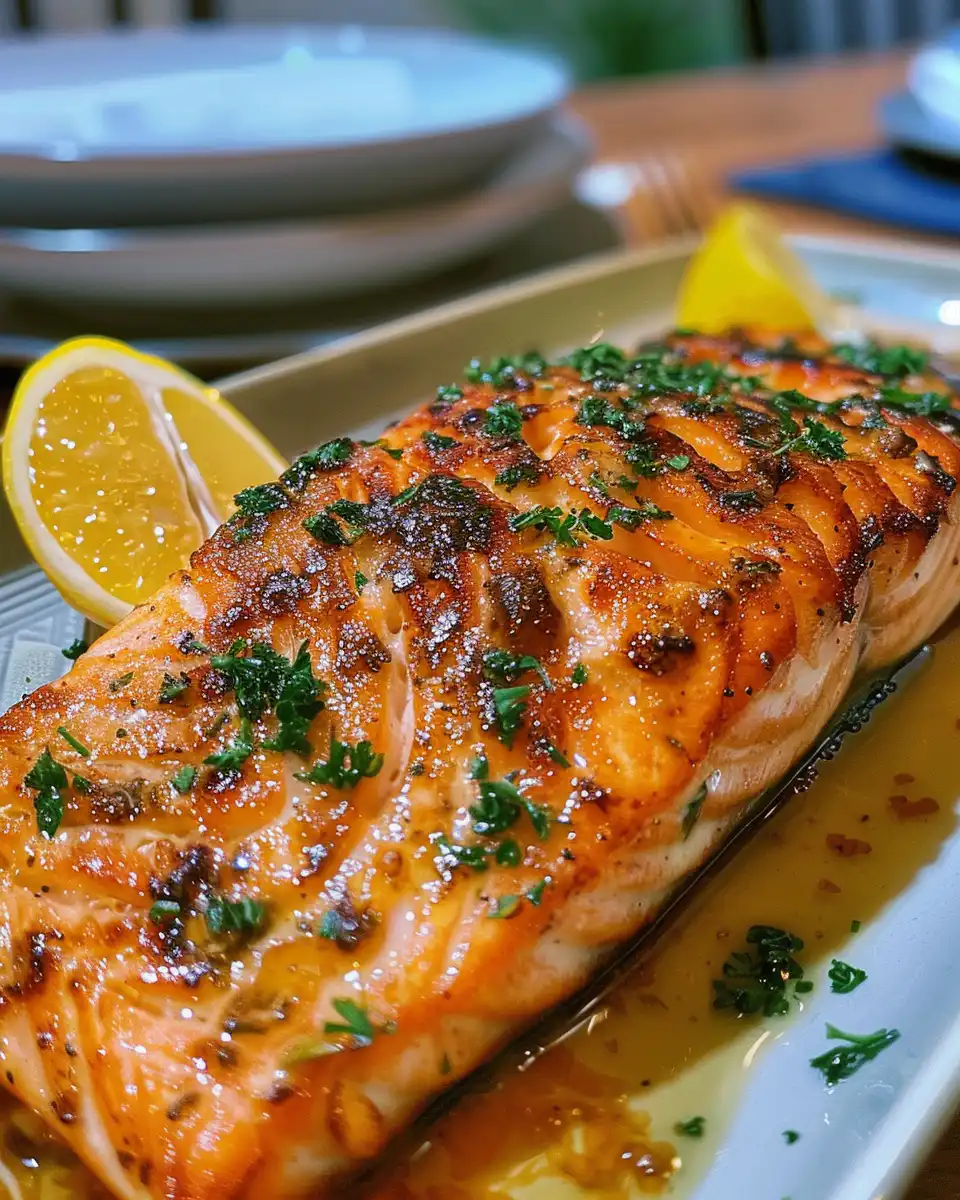
Why Your Cooker Beats Every Other Pot
- You get food that27s super tender without spendin27 hours over the stove.
- The sealed pressure holds in more flavor and moisture than any normal pot can.
- It27s like a shortcut that actually makes things taste better, not just faster.
- You can cook stuff that usually takes all day in less than an hour, saving your evening.
- Cleanup27s way easier since it27s mostly one pot and no splatters all over the kitchen.
Your Simple Ingredient Checklist
Grab 4 salmon filets, about a pound, with the skin on. You27ll like the crispy skin or can just peel it off after cooking if you27re not into it.
Then you27ll want ½ teaspoon each of salt and black pepper. Always essential to make stuff taste right.
Double down on garlic with ½ teaspoon garlic powder and 3 fresh garlic cloves minced.
Don27t forget a lemon. We use both the zest and juice to really brighten up the flavor.
Finally what holds it all together is 1 tablespoon olive oil for searing and 4 tablespoons butter to make a rich sauce after.
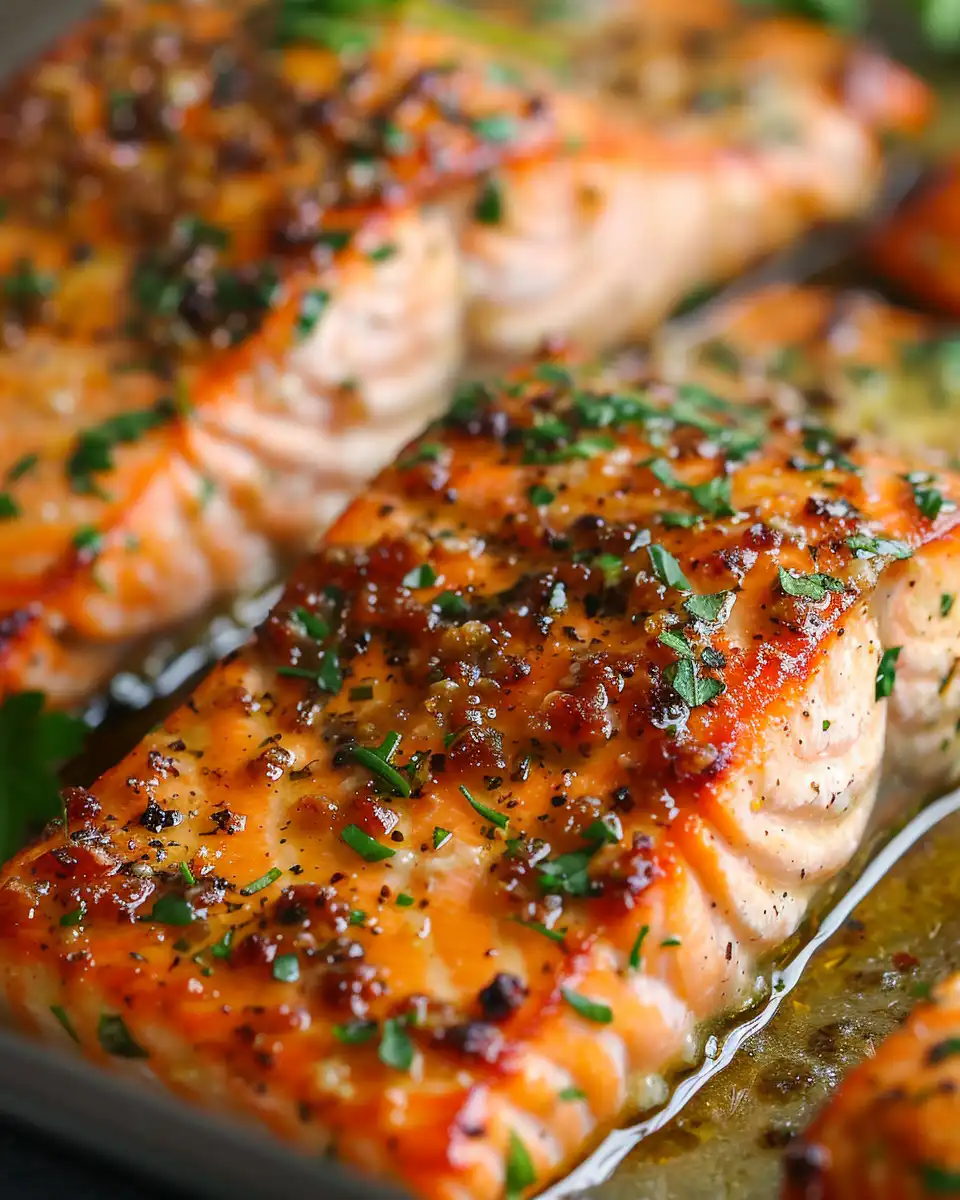
How It All Comes Together Step by Step
Step 1: Rinse your salmon filets and pat 27em dry with paper towels. Gotta get the moisture off so they sear right.
Step 2: Mix salt, black pepper, garlic powder, and lemon zest in a small bowl.
Step 3: Rub this tasty mix all over the fleshy side of your salmon filets. Get nice coverage.
Step 4: Heat up a cast iron skillet on medium-high. Pour in olive oil and let it get good and hot.
Step 5: Carefully add the salmon skin-side down. Let 27em cook without pokin27 for 3-4 minutes until that skin27s crispy and golden brown.
Step 6: Flip the salmon with a fish spatula and cook for 2-3 more minutes. Thin filets only need about 2 minutes a side.
Step 7: Toss in butter and minced garlic. Spoon that melty garlic butter all over the salmon while it finishes up. Squeeze fresh lemon juice over the top and cook for another minute. Use your meat thermometer and check for 125 degrees for medium rare perfection.
Easy Tweaks That Make Life Simple
- Use pre-minced garlic from a jar if you27re in a hurry. It works real good and saves a step.
- Skip zest by using a bit more lemon juice. Yeah, you27ll miss some brightness but it still tastes dang fresh.
- If no cast iron, any non-stick pan works for the sear. Just watch the heat so salmon don27t stick.
- Don27t sweat the thermometer if you don27t have one. Just watch for the salmon turning opaque and flaky.
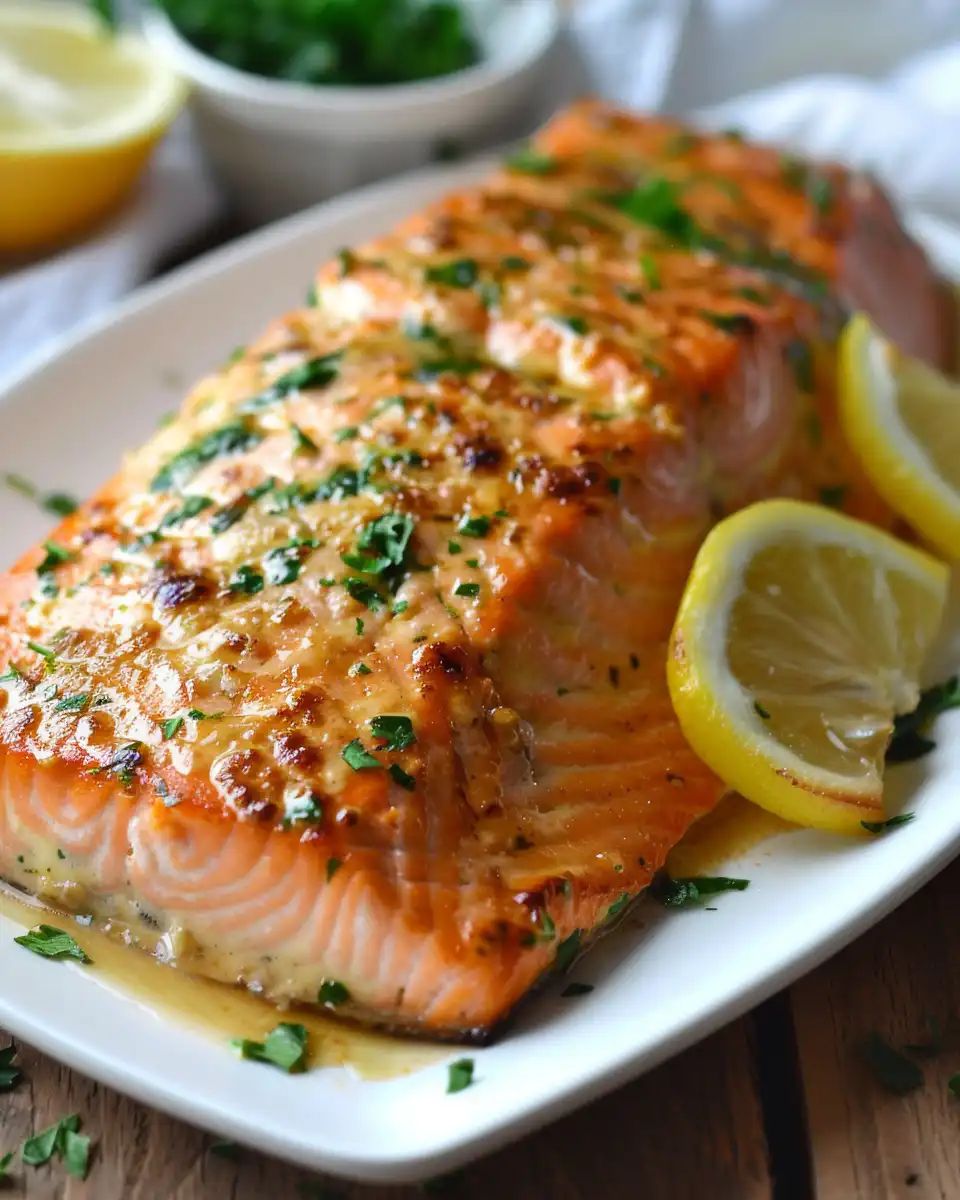
Your First Taste After the Wait
The first bite hits your tongue with that crispy skin crunch. It27s salty, buttery, and a little garlicky all at once.
Then the tender flaky salmon underneath melts in your mouth with a juicy pop of lemon zing. You sense the blend of fresh garlic in the butter sauce.
There27s a warmth from the olive oil sear that wraps around the whole bite. It27s simple but dang satisfying.
You notice how fast the whole thing came together but tastes like you spent hours on dinner. Can27t beat that.
Your Leftover Strategy Guide
Store leftovers in an airtight container in the fridge. They27ll keep good for 2 days easily.
If you wanna freeze, wrap salmon tight with plastic wrap then foil. Freeze up to 1 month.
Reheat gently in a pan on low heat with a splash of water or broth to keep moisture.
For best flavor after reheating, squeeze a fresh lemon wedge on top right before eating again. It wakes the whole thing up.
Your Most Asked Questions Answered
- Can I cook frozen salmon in the pressure cooker? You can but gotta adjust cooking times. Frozen filets take a little longer pressure build and cook time, so check always with a thermometer.
- What if I don27t like the skin? No worries, cook skin side down to get it crispy then peel it off after. That way you get the taste without eating the skin.
- Can I use garlic powder instead of fresh garlic? Totally fine if you double up the garlic powder to keep up flavor. Just add it with the seasoning rub.
- How do I know when salmon is done? Best way is using a thermometer for 125b0 if you like it medium rare. Otherwise look for the salmon flesh turning opaque white and flaking easy.
- Can I make this recipe without butter? Yes, you can substitute with extra olive oil or a dairy-free spread. Butter just adds that nice richness.
- Is it safe to pressure cook fish? Yeah, as long as you follow pressure cooker instructions and don27t overcook. Fish cooks fast so keep an eye on steam cues and natural release timing.
Texas Roadhouse Salmon
Equipment
- 1 Cast Iron Skillet
- 1 Fish spatula
- 1 Instant read meat thermometer
Ingredients
Main Ingredients
- 4 oz Salmon fillets skin-on
- ½ teaspoon Salt
- ½ teaspoon Black pepper
- ½ teaspoon Garlic powder
- 1 Lemon zest and juice
- 1 tablespoon Olive oil
- 3 cloves Fresh garlic minced
- 4 tablespoon Butter
Instructions
Instructions
- Rinse your salmon filets and pat ‘em dry with paper towels.
- Mix salt, black pepper, garlic powder, and lemon zest in a small bowl.
- Rub the mixture all over the flesh side of the salmon filets.
- Heat a cast iron skillet over medium-high heat and add olive oil.
- Add salmon skin-side down. Cook for 3-4 minutes until skin is crispy and golden brown.
- Flip the salmon and cook for 2-3 more minutes.
- Add in butter and minced garlic. Spoon melted butter over salmon.
- Squeeze fresh lemon juice over salmon and cook for an additional 1 minute until done to your liking.
- Check for doneness with a meat thermometer (125°F for medium rare).