








Steam curls up from the valve and your stomach starts talking back. You catch that warm, comforting scent, like a little whisper telling you dinner's nearly ready. It’s like the whole kitchen’s alive with anticipation and you just gotta wait for that satisfying hiss.
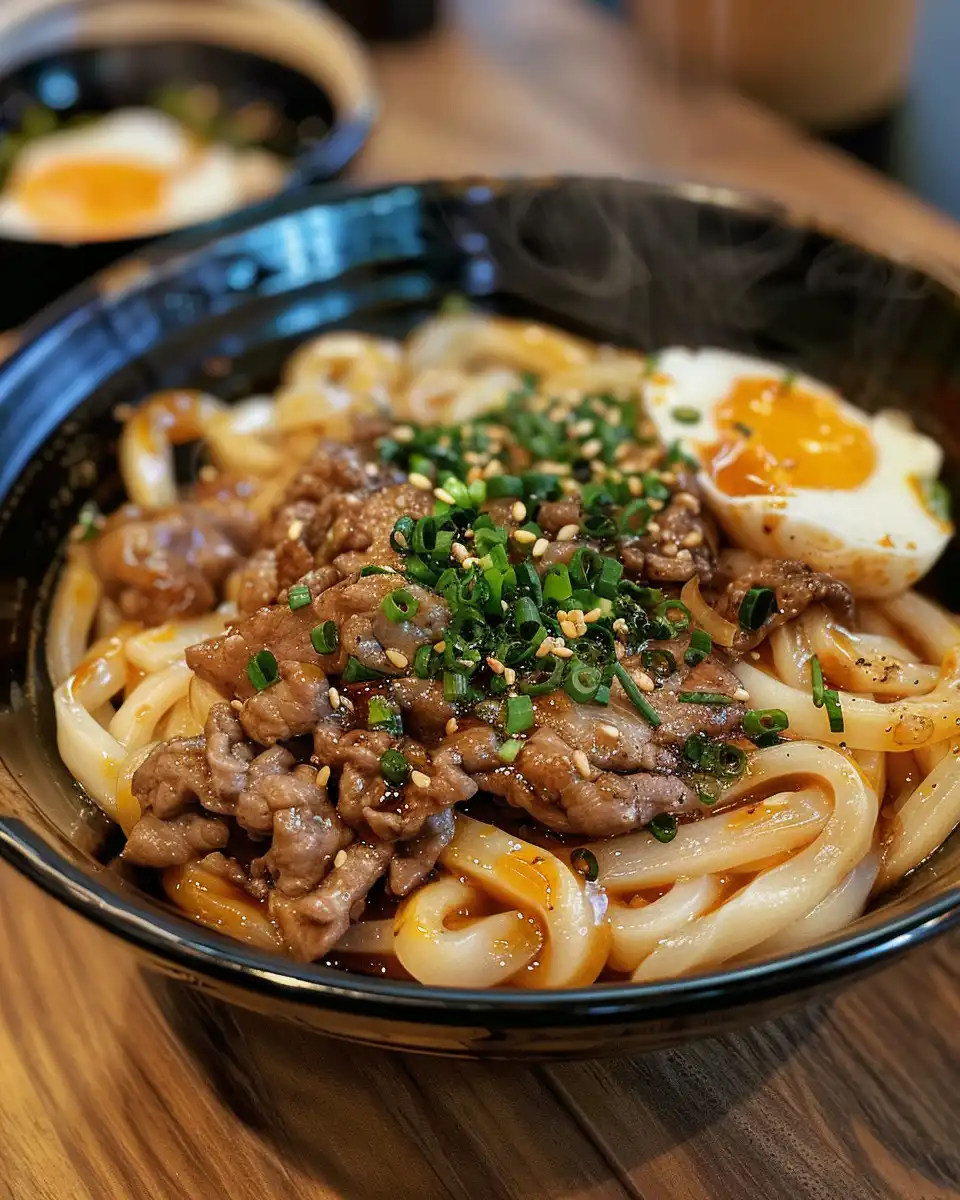
You recall the last time you had yaki udon, maybe at a little street stall or a cozy ramen place downtown. The noodles were perfectly tender but still had that slight chewy bite, coating in soy and savory dashi goodness. You might also enjoy our pressure cooker ramen recipe for a similar cozy noodle fix.
This recipe’s gonna get you that same feel but with a quick release trick that saves your noodles from becoming overcooked mush. Plus, you don’t gotta stand over a hot pan for ages since the pressure cooker does most of the heavy lifting. It’s fast, it’s simple, and it keeps the flavors bold and bright just like you remember.
Why This Recipe Works Every Single Time
- You use quick release so noodles keep their tender pull and don’t turn all soggy.
- Adding butter right at the start melts into that broth depth, giving the dish a rich mouthfeel.
- Dashi powder brings authentic umami that lifts the whole recipe up beyond plain soy sauce.
- Pressure cooker evenly heats everything fast, removing that uneven cooking you’d get in a pan.
- Final fresh green onions and nori top it off with a crispy, fresh contrast every time.
For even more tips on making noodles perfect every time, see our perfect udon noodles tips and how to make umami broths.
The Complete Shopping Rundown
- 1 package fresh or frozen udon noodles. If you grab dry, about 3 ounces works too but gotta cook a bit longer.
- Butter, salted is best for this. You only need a tablespoon and it totally changes the flavor game here.
- 1 tablespoon water to help dissolve that dashi powder and keep noodles moist.
- Half a teaspoon dashi powder to give you that broth depth that’s traditionally Japanese.
- 1 tablespoon soy sauce to coat those noodles with that salty, savory kick.
- 3 green onions, finely chopped for a fresh bite and color pop.
- Shredded nori for that ocean-fresh umami crunch on top.
- Bonito flakes or katsuobushi to finish it off. These flakes kinda dance on the hot noodles and melt into saucy goodness.
Need more inspiration for quick Japanese dishes? Check out our easy Japanese dinner recipes and authentic dashi recipes to deepen your kitchen skills.
The Exact Process From Start to Finish
- First, bring a pot of water to boil. You toss in your udon noodles, fresh or frozen, and cook according to the package directions. Drain and set aside so they’re ready to go.
- Next, in your pressure cooker with the sealing ring in place, melt that tablespoon of butter on medium heat. It’s gonna get all melty and fragrant real quick.
- Then add your tablespoon water and half a teaspoon dashi powder. Stir until that dashi completely dissolves. This gives you that deep broth base without making it soupy.
- After that, add your cooked udon noodles into the cooker and pour the soy sauce over them. Toss it all around so every noodle is evenly coated. The butter and dashi work together here to enhance every bite.
- Now, carefully seal your pressure cooker lid and set it to cook on high pressure for just about 1 minute. When the time’s up, do a quick release to keep your noodles with that perfect tender pull.
- Pop the lid off and add your finely chopped green onions right in. Stir everything for one more minute on sauté mode. This gets those onions bright and warm without losing their fresh crunch.
- Finally, plate your yaki udon, then shower it with shredded nori and bonito flakes. Serve immediately and watch those bonito flakes dance with the steam.
Learn more about cooking techniques in our pressure cooker techniques and discover other noodle dishes like stir fried udon recipes to expand your repertoire.
Valve Hacks You Need to Know
- If you’re in a rush, never skip the quick release step. It stops the cooking dead in its tracks so noodles stay tender and not mushy.
- Keep the sealing ring clean and in good shape. A worn ring can let steam out too soon and mess with that broth depth.
- You can throw in a tiny splash of water if your noodles seem dry before sealing. It helps them steam a little evenly inside.
- If your pressure cooker has a sauté function, use it before pressure cooking to melt butter and after to add fresh greens. Saves you washing another pan.
For further tips on pressure cooking, see our pressure cooker maintenance guide and quick release vs slow release explained.
What It Tastes Like Fresh From the Pot
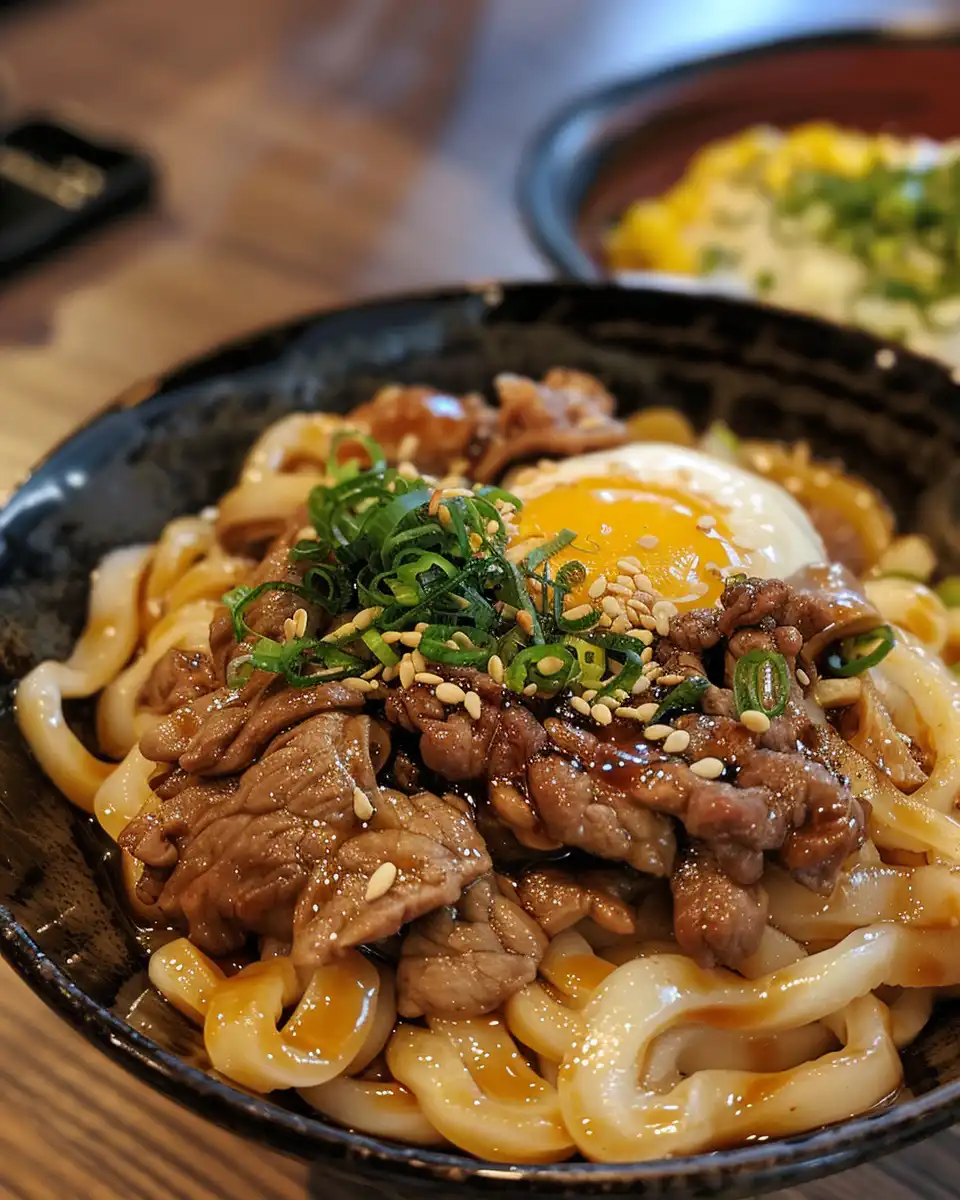
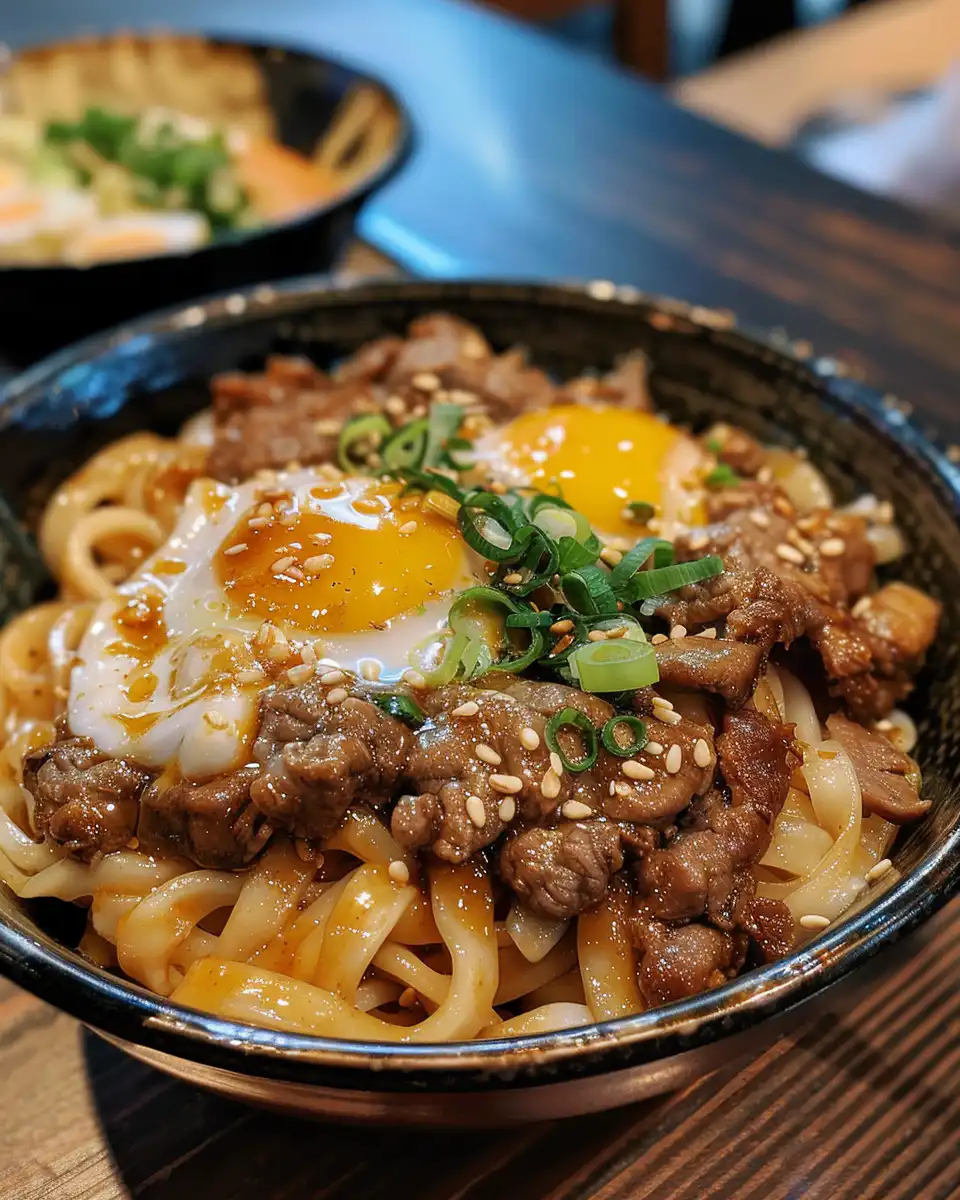
When you dig in right after cooking, those udon noodles have this silky, slippery feel that’s just irresistible. The soy sauce and dashi powder soak in, giving each bite a salty, savory depth that’s kinda addictive.
Then you get hits of butter richness that mellow any sharpness and round the whole flavor out. That tender pull on the noodles tho? It makes you wanna keep eating even when you’re full.
Top it with shredded nori and katsuobushi? That ocean-fresh kick mingles with the steam, bringing a fragrant, umami finish that’ll make you glad you cooked it yourself.
Explore other umami-rich dishes like japanese umami ingredients and seafood flavor combinations for your next feast.
How to Store This for Later
- Keep leftovers in an airtight container in the fridge. They’re good for about 3 days but best eaten sooner for tender pull.
- If you wanna freeze, drop the noodles flat in a freezer-safe bag. They won’t be quite the same but still tasty after reheating.
- Reheat gently on the stove or in the pressure cooker using the sauté mode. Low heat helps keep the noodles soft but not mushy.
- When reheating, sprinkle a little water and toss noodles so they don’t dry out or stick together. It works real good to freshen them back up.
More storage tips and tricks can be found in our leftover udon storage guide and best freezing methods for noodles.
What People Always Ask Me
- Can I use dry udon noodles? Yeah, you can. Just cook 'em a bit longer when boiling before putting into the pressure cooker. Follow the package for timing.
- What if I don’t have dashi powder? You can substitute with a splash of fish sauce or a pinch of mushroom powder. It won’t be quite the same but adds some umami.
- Can I make this vegan? Totally! Swap butter for a plant-based alternative and skip bonito flakes. Use mushroom powder for that broth depth.
- Why quick release instead of slow release? Quick release stops noodles from overcooking. Slow release sometimes makes them mushy and sad.
- My noodles stuck together after cooking, how to fix? Try tossing them with a little oil or butter right after draining. Stir before pressure cooking too to separate 'em.
- Can I add protein or veggies? Heck yeah! Toss in some tofu, chicken, or mushrooms after the quick release and sauté a minute or two. Veggies gotta be thinly sliced for even cooking.
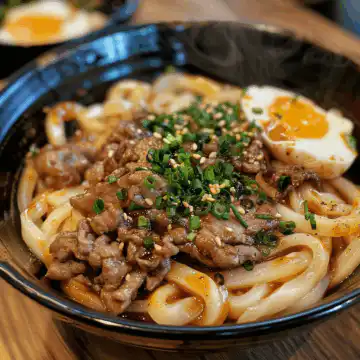
The Best Yaki Udon Recipe- 焼き うどん
Equipment
- 1 Pressure cooker with sauté function
Ingredients
Main Ingredients
- 1 package Udon noodles fresh or frozen; or about 3 oz dry
- 1 tablespoon Butter salted
- 1 tablespoon Water
- 0.5 teaspoon Dashi powder
- 1 tablespoon Soy sauce
- 3 Green onions finely chopped
- Shredded nori for garnish
- Bonito flakes aka katsuobushi, for garnish
Instructions
Instructions
- Bring a pot of water to boil. Add the udon noodles and cook according to package directions. Drain and set aside.
- In your pressure cooker, melt the butter on medium heat using sauté mode.
- Add the water and dashi powder, stirring until dissolved to create the broth base.
- Add the cooked udon noodles to the cooker and pour in the soy sauce. Toss to coat the noodles evenly.
- Seal the cooker and cook on high pressure for 1 minute. Use quick release when done.
- Open the lid and stir in the green onions. Sauté for 1 minute to warm them slightly.
- Plate the noodles and top with shredded nori and bonito flakes. Serve immediately.